



Football is a high-impact sport that demands skill, strength, speed, and endurance. Players sprint, cut, tackle, and absorb collisions, often in cleats that offer very little built-in arch support or cushioning. Many football players deal with foot pain, misalignment, and discomfort that affects their play. Custom-made orthotics can help. They're inserts worn inside your cleats to support and align your feet and legs, made from a 3D model of your feet.
This article covers the foot demands of football, common foot problems players face, how orthotics help, and what to look for in football orthotics.
Why football is hard on the feet
- Explosive sprints and cuts load the forefoot and arch.
- Contact and collisions create sudden, uneven forces.
- Cleats are often stiff and narrow with little arch support.
- Turf and hard ground can increase impact.
- Long practices add up over a season.
Common foot problems in football players
- Turf toe: A sprain of the big toe joint, often from pushing off on hard surfaces.
- Plantar fasciitis and heel pain: From repeated sprinting and impact.
- Ankle sprains: From cutting, contact, and uneven landings.
- Stress fractures: From repeated high-impact loading.
- Metatarsalgia: Pain in the ball of the foot from pushing off.
- Blisters: From the foot moving inside tight cleats.
The benefits of orthotics for football players
Support inside your cleats
Most cleats offer minimal arch support. Orthotics add the support your feet need for sprinting and cutting.
Pain relief
By redistributing pressure across the foot, orthotics can ease pain from plantar fasciitis, heel spurs, and forefoot overload.
Alignment
Orthotics can help control excessive inward or outward rolling, improving alignment through the ankles and knees.
Stability
A foot that's supported and secure inside the cleat gives you a more stable base for cutting and changing direction.
Reduced strain from impact
Better support and pressure distribution can reduce strain from the repeated impacts of the game.
Durability
Custom orthotics are made with high-quality materials designed to last through a season of use.
What to look for in football orthotics
- Thin profile: Cleats are snug, so a slim orthotic is essential.
- Firm support: Thin doesn't have to mean flimsy; look for strong but low-profile materials.
- Made from your foot shape: Support that lines up with your arch.
- Secure heel: Helps keep your foot from sliding during cuts.
Our recommendation for football players
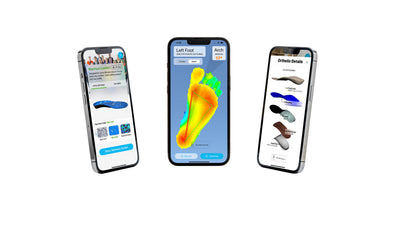
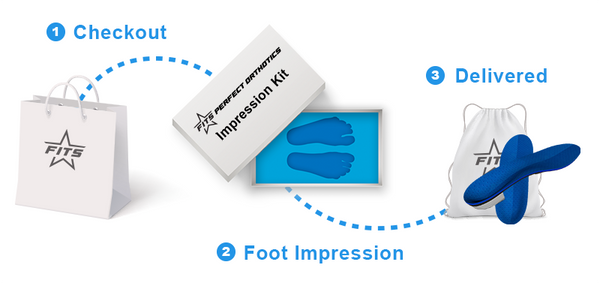
For football players of all levels, we recommend the Fits Perfect UltraThin Carbon Sport orthotic. It's designed for cleats, ice skates, cycling shoes, and ski boots, giving support without crowding the shoe. To order, scan your feet with your iPhone in the Fits Perfect app, a fast, simple, and accurate 3D scan. If you don't have an iPhone, a mail-in foam impression box is available.
For training in the weight room, the Fitness orthotic is designed for gym shoes.
Orthotics by position
- Linemen: Heavy contact and driving off the line put large forces through the forefoot and arch. Firm support helps keep the foot stable under load.
- Skill positions: Receivers, running backs, and defensive backs make sharp cuts at speed. A secure, supported foot inside the cleat helps with control during changes of direction.
- Linebackers: A mix of contact and pursuit means the feet need both stability and support over long plays.
- Kickers and punters: The plant foot takes repeated, forceful load, so arch and heel support matter.
Whatever your position, a slim orthotic made from your own foot shape helps your feet handle the specific demands of your role.
Breaking in orthotics for football
- Remove the cleat's stock insole and insert the orthotic.
- Wear the cleats around the house or for light drills first.
- Use them in practice before games.
- Build up over one to two weeks.
- Check for rubbing or pressure points, especially at the heel and toes.
Other tips for healthy feet in football
- Choose cleats that fit well, with enough room in the toe box.
- Replace worn cleats.
- Strengthen your ankles with balance and agility drills.
- Wear moisture-wicking socks to reduce blisters.
- Warm up properly before practice and games.
For more on recovering from sports injuries, see how to recover from a sports injury.
When to see a professional
See a sports physician, team trainer, or podiatrist if you have a significant ankle or toe injury, can't bear weight, have swelling that doesn't settle, or have pain that keeps returning.
Conclusion
Custom-made orthotics can be a great option for football players dealing with foot and leg pain, misalignment, or discomfort. They add support inside cleats, ease pain, improve alignment and stability, and reduce strain from the demands of the game. A thin, durable orthotic made from your feet gives you support without sacrificing fit.
Frequently asked questions
Can you wear orthotics in football cleats?
Yes. Thin orthotics are designed to fit inside snug cleats.
Do orthotics help turf toe?
Firm support may help limit excess bending at the big toe joint, but turf toe should be assessed by a professional.
What orthotics are best for football?
Thin, firm orthotics made from your foot shape, like the UltraThin Carbon Sport.
Do orthotics help with cleat discomfort?
Yes. Added arch support and a better fit can make cleats more comfortable.


