


Getting injured playing sport is frustrating. Beyond the pain, it means time away from training, competition, and often your team. The recovery process can feel slow, and the temptation to rush back is strong. A structured plan helps you recover properly and return to your sport with less chance of getting hurt again. Custom-made orthotics can play a supporting role, especially for injuries involving the feet, ankles, and lower legs.
This guide walks through the phases of sports injury recovery, what to do in each, and how orthotics can help along the way.
Phase 1: Protect and calm the injury
In the first few days after an injury, the goal is to protect the area and manage pain and swelling.
- Stop playing. Continuing to play on an injury often makes it worse.
- Rest the injured area, using crutches or a brace if a doctor recommends them.
- Ice for 10 to 15 minutes at a time, wrapped in a thin towel.
- Elevate the injured limb to help reduce swelling.
- Get assessed if the injury is significant, so you know exactly what you're dealing with.
Phase 2: Restore movement
Once the initial pain and swelling settle, gentle movement helps prevent stiffness. A physical therapist can guide range-of-motion exercises suited to your injury. For ankle and foot injuries, this might include ankle circles, gentle stretching, and towel curls.
Phase 3: Rebuild strength and balance
Injured tissue and the muscles around it lose strength quickly. Rehab exercises rebuild that strength and restore balance and control. This phase is often the one people cut short, and it's a major reason injuries come back. For lower-body injuries, typical exercises include calf raises, single-leg balance, squats, lunges, and hip strengthening.
Phase 4: Return to sport-specific movement
Before returning to full play, you need to rebuild the specific movements your sport demands. That might mean jogging, then running, then sprinting; or progressing from straight-line movement to cutting and jumping. Each step should feel comfortable before moving to the next.
Phase 5: Return to full play
Return to training first, then competition. Many athletes find it helps to start with partial training sessions and build up. Watch for warning signs, like pain that increases during activity or is worse the next morning.
Stay fit with cross-training
You don't have to lose all your fitness while you recover. Depending on your injury, low-impact options can keep you conditioned:
- Cycling or a stationary bike.
- Elliptical training.
- Upper-body and core workouts.
- Rowing, if it doesn't aggravate the injury.
Check with your physical therapist about what's safe for your specific injury.
How custom orthotics help with sports injury recovery
Custom-made orthotics are tailored to the shape of your feet, built from a 3D scan rather than a one-size-fits-all mold. During recovery and the return to sport, they can help by:
- Supporting the foot so injured or healing areas aren't overloaded.
- Adding cushioning to reduce impact.
- Addressing foot mechanics, like overpronation, that may have contributed to the injury.
- Improving alignment through the ankle, knee, and hip.
- Providing a stable base as you return to running, jumping, and cutting.
Orthotics are especially relevant for injuries such as plantar fasciitis, Achilles tendonitis, shin splints, stress fractures, and ankle sprains. Read more about specific injuries in can orthotic insoles help Achilles tendonitis?
Choosing orthotics for your sport
Match the orthotic to the shoe you play in:
- Running for sneakers and running shoes.
- Court for basketball, volleyball, tennis, and racquet sports.
- UltraThin Carbon Sport for cleats, skates, cycling shoes, and ski boots.
- Fitness for gym and training shoes.
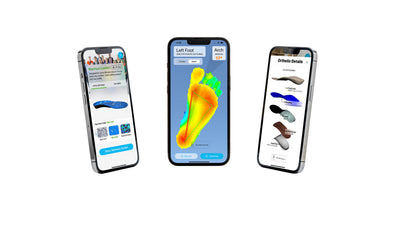
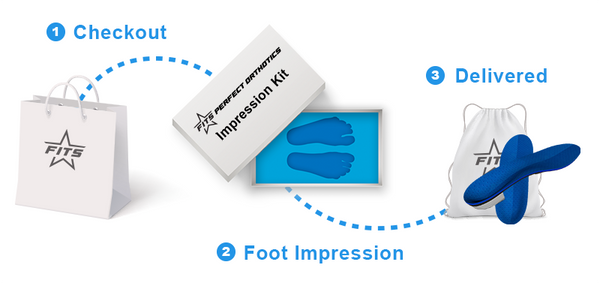
To order, scan your feet with your iPhone in the Fits Perfect app, a fast, simple, and accurate 3D scan, or use the mail-in foam impression box if you don't have an iPhone. Break them in with everyday wear before using them in training.
Reducing the risk of re-injury
- Complete your rehab, even after the pain is gone.
- Warm up properly before training and games.
- Increase training load gradually.
- Replace worn-out sports shoes.
- Keep up strength and balance work as part of your routine.
For general foot injury advice, see tips for faster recovery from foot injuries.
When to see a professional
See a doctor, sports physician, or physical therapist if you can't bear weight, have significant swelling or bruising, felt a pop at the time of injury, have numbness, or have pain that isn't improving. A proper diagnosis guides the right recovery plan.
Conclusion
Recovering from a sports injury takes patience and a plan: protect the injury, restore movement, rebuild strength, practice sport-specific movement, and return gradually. Custom-made orthotics can support you through recovery by adding support and cushioning, addressing foot mechanics, and giving you a stable base as you return to play.
Frequently asked questions
How long does it take to recover from a sports injury?
It depends on the injury. Minor strains may take a couple of weeks; more serious injuries can take months.
When can I return to my sport?
When you can perform your sport's movements without pain and your doctor or physical therapist agrees.
Do orthotics help prevent sports injuries?
They can reduce strain related to foot mechanics, alongside good training habits and strength work.
Should I train through pain?
No. Sharp or increasing pain is a sign to stop and reassess.


