



At the end of a long shift, your shoes feel tighter, your socks leave deep marks, and your ankles look puffy. Swelling in the feet and ankles after standing all day is very common, especially for people who work on their feet. Most of the time, it's harmless and goes down overnight. But it can be uncomfortable, and in some cases swelling is a sign of something that needs medical attention.
This guide explains why feet swell after standing, simple ways to reduce it, how footwear and support help, and the warning signs to watch for.
Why feet swell when you stand
Your blood vessels carry blood down to your feet and back up to your heart. Getting blood back up from your feet works against gravity. Veins in your legs have one-way valves, and your calf muscles act as a pump: every time they contract, they squeeze blood upward.
When you stand still for long periods, your calf muscles aren't working much, so that pump slows down. Gravity pulls fluid down, and some of it seeps from small blood vessels into the surrounding tissues of the feet and ankles. The result is swelling, known medically as edema.
Things that make it worse
- Standing still rather than walking or moving around.
- Long shifts without breaks.
- Heat, which widens blood vessels.
- Salty food, which makes your body hold onto water.
- Dehydration, which can paradoxically make the body retain fluid.
- Tight shoes or socks with tight elastic bands.
- Pregnancy and hormonal changes.
- Excess body weight.
- Some medications, including certain blood pressure drugs.
- Age, as vein valves can weaken over time.
Simple ways to reduce swelling
Keep moving
If you stand for work, move as much as you can. Walk around, shift your weight, and do calf raises or ankle pumps throughout the day. Every contraction of your calf muscles helps push fluid back up.
Take sitting breaks
Sit down when you can, and if possible, raise your feet.
Elevate your feet after work
Lie down and raise your feet above heart level for 15 to 20 minutes. Propping them on pillows or against a wall works well.
Stay hydrated and watch salt
Drinking enough water and limiting very salty foods can help reduce fluid retention.
Wear the right shoes
Choose shoes that fit well with your feet at their largest, which is usually later in the day. Avoid shoes that pinch or press, and loosen laces slightly during the day if your feet swell.
Avoid tight bands
Socks with tight elastic tops can restrict circulation. Choose socks with a comfortable top.
Exercises to help circulation
- Ankle pumps: Point your toes away, then pull them toward you, 15 to 20 times.
- Calf raises: Rise onto your toes and lower, 10 to 15 times, a few times a day.
- Ankle circles: Rotate your feet in both directions.
- Walking breaks: Even a few minutes of walking every hour helps.
How supportive footwear and orthotics help
Orthotics don't directly remove fluid, but they can make long days on your feet more comfortable and help you keep moving. Supporting the arch and spreading pressure evenly reduces fatigue, so you're more likely to walk and move rather than stand still. Better-supported feet also tend to feel less achy at the end of the day.
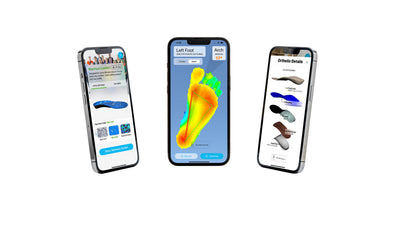
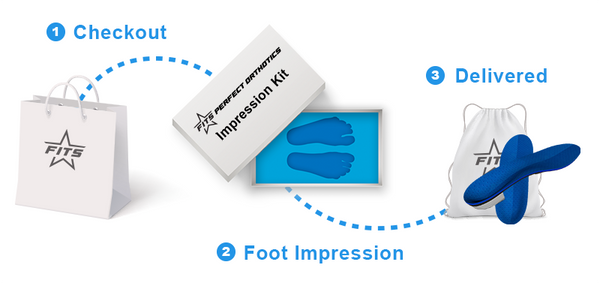
Because custom orthotics are made from the shape of your own feet, the support fits your arch. For work shoes and sneakers, Maximum Comfort is built for all-day standing and walking. For work boots, Heavy Duty Comfort is designed for long shifts. Every style is $249 with free shipping. To order, scan your feet with your iPhone in the Fits Perfect app, or use the mail-in foam impression box if you don't have an iPhone. If you have diabetes or sensitive feet, the Comfort Diabetic orthotic is designed to reduce friction.
Jobs where swelling is common
Swollen feet are especially common in jobs that involve standing in one place: cashiers, assembly line workers, hairstylists, surgeons and operating room staff, security guards on fixed posts, and lab workers. Jobs with more walking, like nursing or delivery, may cause less swelling because the calf pump is working, though long shifts still take a toll. If your job keeps you standing still, building movement into your day is one of the most effective ways to reduce swelling.
For more workplace tips, see surviving the 9-to-5 on your feet and orthotics for nurses and healthcare workers.
When swelling needs a doctor
Swelling from standing usually affects both feet, goes down overnight, and isn't painful. See a doctor if:
- Swelling is in one leg only, especially with pain, warmth, or redness. This can be a sign of a blood clot and needs urgent attention.
- You have shortness of breath or chest pain along with swelling. Seek emergency care.
- Swelling doesn't go down overnight or keeps getting worse.
- The skin is stretched, shiny, discolored, or has sores.
- Pressing on the swelling leaves a dent that stays for a while.
- You're pregnant and swelling is sudden or severe.
- You have heart, kidney, or liver conditions.
Frequently asked questions
Why do my feet swell at the end of the day?
Standing for long periods lets gravity pull fluid into your feet, especially when your calf muscles aren't moving much.
How can I reduce swollen feet after work?
Elevate your feet, stay hydrated, move during the day, and wear comfortable, well-fitting shoes.
Is it normal for feet to swell after standing all day?
Mild swelling in both feet that goes down overnight is common. One-sided, painful, or persistent swelling should be checked.
Do orthotics help swollen feet?
They don't remove fluid, but they can reduce fatigue and make long days more comfortable.


