



Achilles tendonitis is a common condition that causes pain and inflammation in the Achilles tendon, the large tendon that connects your calf muscles to your heel bone. It's especially common in runners and people who suddenly increase their activity, but it can affect anyone. If you have pain at the back of your heel or lower calf, orthotic insoles may help as part of your recovery.
This article covers the symptoms and causes of Achilles tendonitis, how orthotics can help, and other steps that support healing.
Achilles tendonitis symptoms
- Pain along the back of the heel or lower leg, ranging from a mild ache to sharp pain.
- Stiffness, especially in the morning or after sitting for a while.
- Pain that worsens with activity, such as running, climbing stairs, or walking uphill.
- Swelling or thickening of the tendon.
- Tenderness when you squeeze the tendon.
- Weakness when pushing off with the foot.
What causes Achilles tendonitis?
Achilles tendonitis usually develops from repeated strain on the tendon. Common causes and risk factors include:
- Overuse, particularly a sudden increase in running distance, speed, or hill work.
- High-impact activities like running and jumping sports.
- Tight calf muscles, which increase tension on the tendon.
- Worn-out or poorly fitting shoes without good heel support.
- Foot structure, such as flat feet or high arches, which can change how load passes through the tendon.
- Overpronation, which can twist and strain the tendon.
- Excess body weight, which increases load on the tendon.
- Age, as tendons become less flexible over time.
Treatments for Achilles tendonitis
Most cases improve with conservative treatment. Common options include:
- Rest and activity changes: Reduce or pause activities that aggravate the pain. Low-impact options like cycling may be easier on the tendon.
- Ice: Apply ice to the area for 10 to 15 minutes to ease pain and swelling.
- Stretching: Gentle calf stretches reduce tension on the tendon.
- Strengthening: Slow, controlled calf exercises, often guided by a physical therapist, are a key part of recovery.
- Supportive footwear and orthotics: Good heel support and alignment reduce strain.
- Anti-inflammatory medication: May help with pain; check with a pharmacist or doctor first.
- Physical therapy: A therapist can build a gradual return-to-activity plan.
Can orthotic insoles help Achilles tendonitis?
Custom-made orthotics can be a useful part of managing Achilles tendonitis. They can help by:
- Controlling overpronation: Limiting excessive inward rolling reduces twisting forces on the tendon.
- Supporting the arch: A well-supported arch improves how load passes from the foot to the leg.
- Cushioning the heel: A supportive heel cup absorbs some impact with each step.
- Improving alignment: Better foot alignment can reduce strain on the tendon and calf.
Because custom orthotics are shaped to your own feet, they can address foot-structure issues like flat feet or high arches that may be contributing to the problem. Orthotics aren't a cure, but they can reduce strain while you rehab the tendon and help keep symptoms from returning.
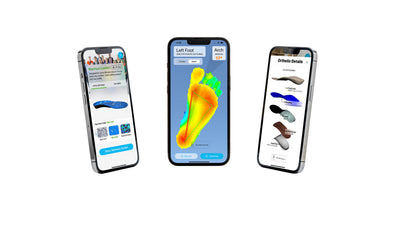
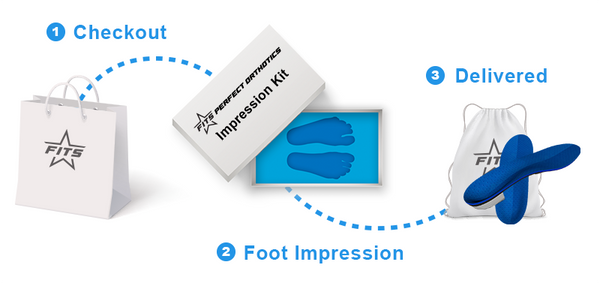
With Fits Perfect, you scan your feet with your iPhone in the Fits Perfect app, a fast, simple, and accurate 3D scan. If you don't have an iPhone, a mail-in foam impression box is available. Runners may want the Running orthotic, while Maximum Comfort is designed for everyday shoes.
Stretches and exercises for Achilles tendonitis
- Wall calf stretch (straight knee): Stand facing a wall with one leg back, heel down and knee straight. Lean forward and hold for 30 seconds.
- Wall calf stretch (bent knee): Same position, but bend the back knee slightly to target the lower calf. Hold for 30 seconds.
- Slow heel raises: Rise onto your toes and lower slowly over three to four seconds. Start on both feet and progress as comfortable.
Stop if an exercise causes sharp pain, and ask a physical therapist for guidance if you're unsure. For more on getting back to activity, see how to recover from a sports injury.
Returning to running and sport
Coming back too quickly is one of the most common reasons Achilles tendonitis flares up again. A gradual approach works best:
- Walk pain-free first. You should be able to walk briskly and climb stairs without pain before you try running.
- Start with short, easy runs on flat ground, with rest days in between.
- Increase slowly. Add distance or time a little at a time, and avoid hills and speed work early on.
- Use the 24-hour rule. If the tendon is more painful or stiff the next morning, scale back.
- Keep up your strengthening. Calf exercises should continue even after the pain is gone.
Check your shoes as well. Running shoes lose cushioning and support over time, and worn-out shoes are a common trigger. Wearing your orthotics consistently during this period helps keep the load on the tendon steady.
When to see a doctor
See a doctor or podiatrist if your pain is severe, doesn't improve after a few weeks, or if you feel a sudden pop or sharp pain at the back of your heel. A sudden pop can be a sign of a tendon tear, which needs prompt medical attention.
Conclusion
Achilles tendonitis causes pain and stiffness at the back of the heel and usually comes from repeated strain. Rest, stretching, strengthening, and supportive footwear are the foundations of recovery, and custom-made orthotics can help by improving alignment and reducing strain on the tendon.
Frequently asked questions
Do orthotics help Achilles tendonitis?
They can, especially if overpronation or foot structure is adding strain to the tendon.
Should I keep running with Achilles tendonitis?
It's usually best to reduce or pause running until pain settles, then return gradually.
How long does Achilles tendonitis take to heal?
Mild cases may improve in a few weeks; others take longer. Consistent rehab makes a big difference.
What shoes help Achilles tendonitis?
Shoes with good heel cushioning, support, and enough room for an orthotic are usually recommended.


