



Custom-made orthotics are shoe inserts that support and cushion the feet. They're made from a 3D scan of your feet, so they match the unique shape of your foot and provide support that off-the-shelf insoles can't match. But which athletes actually benefit from wearing them?
The short answer is athletes of almost every level, from professionals to weekend warriors. Sports put heavy, repeated loads on the feet, and good support can ease pain and discomfort in the feet, ankles, and legs, and improve how your feet and legs function. Here's how orthotics help in different sports.
Why athletes use orthotics
- Support under load: Running, jumping, and cutting multiply the force going through your feet.
- Better alignment: Controlling overpronation or supporting high arches can reduce strain on the ankles, knees, and hips.
- Shock absorption: Cushioning in the right places eases impact.
- Stability: A well-fitted orthotic helps your foot feel more secure in your shoe.
- Comfort over long sessions: Less foot fatigue during long training sessions, games, or rounds.
Runners
Runners are especially prone to problems like plantar fasciitis, heel pain, shin splints, and metatarsalgia, because every stride lands with several times your body weight. Orthotics provide arch support and cushioning that can reduce strain and help runners train more comfortably. The Running orthotic is designed for sneakers and running shoes. Read more in how can custom-made orthotics help runners?
Basketball, tennis, and volleyball players
Court sports involve constant jumping, landing, and quick side-to-side movement. That puts heavy demands on the arches, heels, and ankles. Orthotics can help ease pain and discomfort from repeated jumping and provide support and stability during lateral movement. The Court orthotic is built for basketball, volleyball, tennis, and racquet sports.
Soccer and football players
Soccer and football players run, sprint, stop, and change direction for long periods, often in cleats with very little built-in support. Orthotics can ease foot and leg discomfort from running and kicking. Because cleats are tight-fitting, a thin orthotic works best, such as the UltraThin Carbon Sport, which is designed for cleats, skates, cycling shoes, and ski boots.
Hockey players and skiers
Skates and ski boots are stiff and close-fitting, and the feet do a lot of work to control balance and edges. Orthotics can help with discomfort from sudden stops and starts and give the foot a more stable platform inside the boot. A slim orthotic is key so the boot still fits properly.
Golfers
Golfers walk long distances on uneven ground and stand for long periods, which can lead to foot and leg fatigue. The golf swing also relies on balance and stable footing. Orthotics can improve comfort and support throughout a round. The Golf orthotic is designed for golf shoes.
Gym and fitness athletes
Weightlifting, CrossFit, aerobics, and gym training all put load on the feet, whether through heavy lifts or repeated jumping. Orthotics can provide a stable base for lifting and support for high-rep movements. The Fitness orthotic is made for gym and workout shoes.
Cyclists
Cyclists push through the pedals thousands of times per ride. Foot support inside a stiff cycling shoe can improve comfort and help the foot stay stable on the pedal.
Signs you could benefit from orthotics as an athlete
- Recurring heel, arch, or forefoot pain during or after training.
- Shin, knee, or hip discomfort that's linked to running or jumping.
- Feet that feel tired or sore long before the rest of your body.
- Uneven wear on your shoes.
- Flat feet or high arches.
Common foot problems in athletes
Many of the foot problems athletes deal with are linked to repeated load and foot mechanics, which is where orthotics can help:
- Plantar fasciitis: Heel pain from strain on the tissue under the arch, common in runners and court athletes.
- Shin splints: Pain along the shin, often linked to overpronation and sudden increases in training.
- Achilles tendonitis: Pain at the back of the heel from repeated pushing off and jumping. See can orthotic insoles help Achilles tendonitis?
- Metatarsalgia: Pain in the ball of the foot from sprinting and jumping.
- Blisters and pressure spots: Often caused by the foot moving inside the shoe.
Orthotics don't replace good training habits like warming up, increasing load gradually, and resting, but they can reduce the strain that contributes to these problems.
How to get started
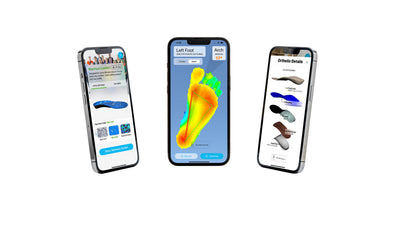
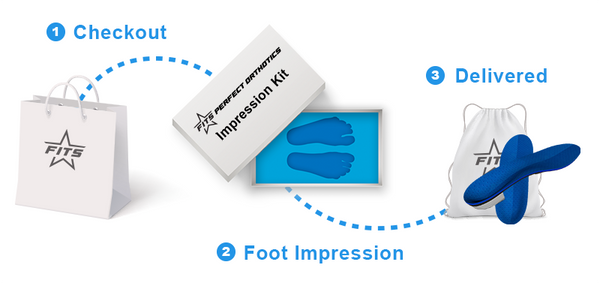
Choose an orthotic that matches the shoe you use for your sport, since each sport's footwear has different space and support needs. With Fits Perfect, you scan your feet with your iPhone in the Fits Perfect app for a fast, simple, and accurate 3D scan, or use the mail-in foam impression box if you don't have an iPhone. Browse the full sport and running range.
Break in new orthotics gradually, starting with everyday wear before using them for hard training or competition.
When to see a professional
If you have an acute injury, sharp pain, swelling, or pain that keeps getting worse, see a doctor, podiatrist, or sports physical therapist before relying on orthotics.
Conclusion
Athletes of all levels can benefit from custom-made orthotics. They can ease pain and discomfort in the feet, ankles, and legs, and support better foot function during training and competition. They're especially useful in high-impact sports like running, basketball, and soccer, and for athletes who deal with recurring foot or leg pain.
Frequently asked questions
Do professional athletes wear orthotics?
Many athletes use orthotics to support their feet during training and competition.
Can one pair of orthotics work for every sport?
Not always. Different sports use different shoes, so sport-specific orthotics often fit and perform better.
Do orthotics improve athletic performance?
They can help by improving comfort, stability, and alignment, which supports better training.
How long should I break in sports orthotics?
Start with everyday wear for a week or two, then gradually use them for training.


