



Foot injuries can make even simple everyday activities difficult. Whether you've sprained an ankle, strained a tendon, or developed an overuse injury, the way you manage the first few weeks has a big effect on how quickly and fully you recover. Custom-made orthotics can play a role too, providing support and cushioning that eases pain and discomfort as you heal.
Here are practical tips to help you recover from a foot injury, avoid setbacks, and get back to normal activity safely.
Common types of foot injuries
- Sprains: Stretched or torn ligaments, most often around the ankle.
- Strains and tendon injuries: Such as Achilles tendonitis or posterior tibial tendon problems.
- Overuse injuries: Like plantar fasciitis, metatarsalgia, or shin splints, which build up over time.
- Stress fractures: Small cracks in the bone from repeated impact.
- Bruises and impact injuries: From a fall, a dropped object, or a hard landing.
The right recovery plan depends on the injury, so getting a proper diagnosis is an important first step if you're not sure what you're dealing with.
Tips for recovering from a foot injury
1. Rest the injured foot
Rest gives damaged tissue time to start healing. That doesn't always mean complete inactivity. It usually means avoiding the movements that cause pain while staying gently active where you can. Your doctor may suggest crutches, a brace, or a walking boot for more serious injuries.
2. Use ice to manage pain and swelling
In the first few days after an injury, apply ice wrapped in a thin towel for 10 to 15 minutes at a time, a few times a day. This can help reduce pain and swelling. Never put ice directly on bare skin for long periods.
3. Elevate and compress
Raising your foot above the level of your heart when resting helps reduce swelling. A compression bandage can also help, as long as it isn't so tight that it causes numbness or tingling.
4. Work with a physical therapist
A physical therapist can guide exercises and stretches that restore flexibility, strength, and range of motion. This is one of the most important parts of recovery, because injured tissue often heals weaker and stiffer without the right rehab. Rehab also helps reduce the chance of the same injury happening again.
5. Use custom-made orthotics for support
Custom-made orthotics provide support and cushioning that can ease pain and discomfort while you recover. Because they're tailored to the shape of your feet and take existing foot conditions into account, they can help spread pressure away from injured areas and support better alignment as you return to normal activity.
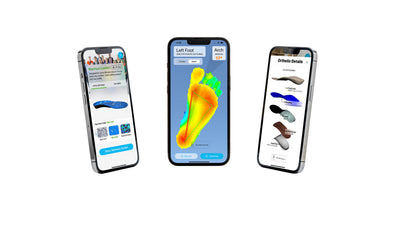
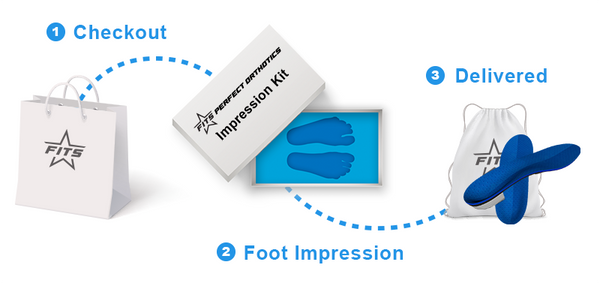
With Fits Perfect, you scan your feet with your iPhone in the Fits Perfect app, a fast, simple, and accurate 3D scan. If you don't have an iPhone, a mail-in foam impression box is available. Maximum Comfort is designed for everyday shoes, and Heavy Duty Comfort is made for work boots.
6. Take medication only as advised
Over-the-counter anti-inflammatory medication can help with pain and swelling for some people. Check with a doctor or pharmacist to make sure it's appropriate for you and to confirm the right dose.
7. Wear the right footwear
Shoes that fit well and provide good support help protect the injured area and reduce the risk of re-injury. Look for a firm heel, good cushioning, and enough room for an orthotic. Avoid worn-out shoes, very flat shoes, and high heels while you heal. A podiatrist can help if you're not sure what to wear.
8. Avoid high-impact activities until you're ready
Running, jumping, and other high-impact activities put extra stress on the feet and can slow healing. Hold off until your injury has healed and you've been cleared to return. Low-impact alternatives like cycling or upper-body workouts can help you stay fit in the meantime.
Returning to activity safely
One of the most common mistakes is going back to full activity too soon. A gradual return reduces the risk of setbacks:
- Make sure everyday walking is pain-free before adding exercise.
- Start with short, easy sessions and build up a little at a time.
- Watch for warning signs such as pain that increases during activity or is worse the next day.
- Keep up your rehab exercises even after the pain has gone.
- Wear your orthotics and supportive shoes consistently as you increase activity.
For sport-specific advice, see how to recover from a sports injury.
Things that slow recovery
- Walking or training through sharp pain.
- Skipping rehab exercises once pain improves.
- Wearing unsupportive or worn-out shoes.
- Increasing activity too quickly.
- Ignoring swelling, numbness, or pain that keeps getting worse.
When to see a doctor
See a doctor or podiatrist straight away if you can't put weight on your foot, the foot looks deformed, there's severe swelling or bruising, you heard a pop at the time of injury, or you have numbness or tingling. You should also get checked if pain hasn't improved after a week or two of home care, or if you have diabetes.
Conclusion
Recovering well from a foot injury usually involves a combination of rest, ice, physical therapy, supportive footwear, custom-made orthotics, and a careful return to activity. Taking it step by step helps you heal properly and reduces the chance of the injury coming back.
Frequently asked questions
How can I speed up foot injury recovery?
Rest the area, manage swelling, follow a rehab program, wear supportive shoes, and return to activity gradually.
Should I walk on an injured foot?
It depends on the injury. If walking is very painful or you can't bear weight, see a doctor before walking on it.
Do orthotics help with injury recovery?
They can provide support and cushioning that reduce strain on injured areas as you return to activity.
When can I start exercising again?
When everyday walking is pain-free and your doctor or physical therapist agrees, start gradually.


