



Flat feet, also known as fallen arches or pes planus, is a condition where the arches of your feet are lowered, so most or all of the sole touches the floor when you stand. Many people with flat feet have no symptoms at all. For others, flat feet lead to aching arches, heel pain, and discomfort in the ankles, knees, or lower back.
A common question is whether orthotics can correct flat feet or just relieve the pain. This article explains the types and causes of flat feet, why they can cause problems, and what orthotics can realistically do.
Types of flat feet
Flat feet are usually divided into two types:
- Flexible flat feet: The arch appears normal when you're sitting or standing on tiptoe, but flattens when you stand and put weight on your feet. This is the most common type.
- Rigid flat feet: The arch stays flat no matter what position your feet are in. This type is less common and is more likely to need evaluation by a podiatrist.
How to tell if you have flat feet
You can do a simple check at home:
- The wet footprint test: Wet the soles of your feet and stand on a piece of cardboard or a dark towel. A typical footprint shows a curved gap along the inner edge where the arch lifts. If your print shows most or all of the sole, your arches are low.
- Look at your shoes: Shoes that wear down quickly on the inner edge of the sole, or that tilt inward when you set them on a table, can be a sign of flat feet and overpronation.
- Watch your ankles: Stand barefoot in front of a mirror. If your ankles appear to roll inward and your arches touch the floor, you likely have flat feet.
These checks help you understand your foot type, but a podiatrist can give you a proper assessment if you have pain.
What causes flat feet?
The causes of flat feet fall into two categories:
- Congenital flat feet are present from childhood and often run in families.
- Acquired flat feet develop later in life. Injury, tendon problems, arthritis, diabetes, excess body weight, and age can all weaken or stretch the tendons and ligaments that support the arch, causing it to lower over time.
One common cause of adult flat feet is a problem with the posterior tibial tendon. Read more in can custom-made orthotics treat posterior tibial tendonitis?
Why can flat feet cause pain?
Not everyone with flat feet has problems, but when symptoms do appear, they're often related to these effects:
- Overpronation: When the arch collapses, the foot and ankle tend to roll too far inward. This can strain the ankles and knees and affect the hips and lower back.
- Plantar fasciitis: A lowered arch can put extra tension on the plantar fascia, the band of tissue under the foot, leading to painful inflammation.
- Knee, hip, and back discomfort: Changes in foot alignment can affect how the legs and hips line up.
- Fatigue when standing, walking, or running: Without good arch support, the muscles of the feet and legs work harder.
- Trouble finding comfortable shoes: Many shoes don't provide the support flat feet need.
If you have pain or discomfort, it's worth addressing rather than ignoring.
Can orthotics correct flat feet?
For adults, orthotics don't permanently change the structure of the foot or rebuild an arch. What they do is support the foot while you're wearing them, which can make a real difference to how you feel.
Orthotics help with flat feet by:
- Supporting the arch so it doesn't collapse as far under load.
- Controlling overpronation and keeping the foot in a more neutral position.
- Redistributing weight and pressure across the foot, reducing strain on painful areas.
- Reducing strain on the plantar fascia and heel, which can help with symptoms of plantar fasciitis and heel spurs.
Think of orthotics as relieving the effects of flat feet rather than curing them.
Exercises that help flat feet
Strengthening and stretching exercises work well alongside orthotics. A few to start with:
- Toe raises: Rise onto your toes, then lower slowly. Strengthens the foot and calf muscles.
- Calf stretches: Lean into a wall with one leg back to stretch tight calves, which add strain to the arch.
- Towel curls: Scrunch a towel toward you with your toes to work the small foot muscles.
- Arch lifts: With your foot flat, lift your arch while keeping your toes and heel on the floor.
For a full routine, see 10 exercises for flat feet.
Why choose custom orthotics for flat feet?
Flat feet vary a lot from person to person, and generic insoles often place the arch support in the wrong spot or at the wrong height. Custom-made orthotics are built from the shape of your own feet, so the support lines up with your arch.
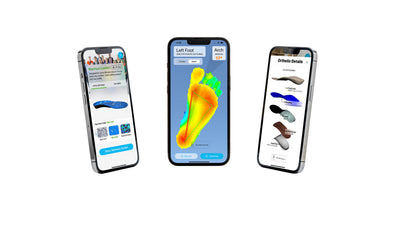
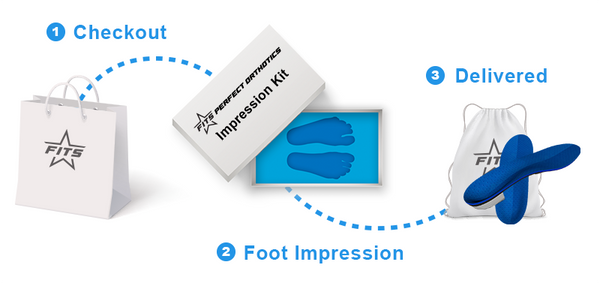
With Fits Perfect, you scan your feet with your iPhone in the Fits Perfect app for a fast, simple, and accurate 3D scan. No iPhone? A mail-in foam foot impression box is available. For everyday shoes, Maximum Comfort is a popular choice, and the Running orthotic is designed for runners who overpronate.
When to see a podiatrist
See a podiatrist if your flat feet are rigid, painful on one side only, getting flatter over time, or accompanied by swelling along the inner ankle. These can be signs of a tendon problem that needs proper diagnosis.
Frequently asked questions
Can orthotics fix flat feet permanently?
Not in adults. They support the arch while worn and can relieve pain, but they don't permanently change foot structure.
Are flat feet always a problem?
No. Many people with flat feet have no symptoms and don't need treatment.
Should I wear orthotics all the time if I have flat feet?
If they help your symptoms, wearing them consistently in the shoes you use most gives the best results.
What else helps flat feet?
Supportive shoes, calf stretching, foot-strengthening exercises, and maintaining a healthy weight can all help.


