



When it comes to foot pain and discomfort, there are a variety of options available to help ease symptoms. Two popular options are over-the-counter (OTC) insoles and custom orthotics. While both can provide some support and cushioning for your feet, custom-made orthotics are generally the better choice for those looking for longer-lasting comfort and targeted support for specific foot concerns.
The short answer: if your feet only get tired now and then and you mainly want a softer feel underfoot, a generic insole adds cushioning. If you have recurring aches, a foot shape that doesn't match a standard arch (very flat or very high), or you spend long hours standing, walking, or training, an orthotic made from your own foot shape is usually worth considering. And if you have pain that keeps coming back, see a podiatrist or doctor to find out what's causing it.
Over-the-Counter Insoles
OTC insoles are readily available at most drugstores. They are designed to provide cushioning for the feet. However, OTC insoles are typically made from foam or gel materials, which may not provide the same level of support as custom orthotics. Additionally, OTC insoles may not last as long and may need to be replaced more frequently.
Where OTC insoles fall short
Because they're mass-produced, OTC insoles are built around an average foot. They come in broad size ranges and are often trimmed to length at home. That creates a few common limitations:
- Generic arch height: The arch is shaped for a typical foot, so it may sit too low for a high arch or press uncomfortably into a flatter one.
- Cushioning over support: Soft foam and gel feel comfortable at first, but they compress with use and do little to guide how your foot moves.
- No left-right difference: Many people's feet aren't identical, yet a pair of OTC insoles is the same on both sides.
- Not made for your shoe or activity: A thick, full-length insole may not fit well in a dress shoe, a cleat, or a work boot.
Custom-made Orthotics
Custom-made orthotics, on the other hand, are specially made to fit the unique shape and structure of an individual's feet. They are made by creating a 3D model of the feet and then using this model to create a custom-fit insole. Because they are made to fit your feet exactly, custom-made orthotics provide targeted support for specific foot concerns such as overpronation or flat feet. They are typically made from a firmer, more durable material than OTC insoles. Custom-made orthotics can be made from a variety of materials such as carbon fiber, EVA, vinyl, or leather. They can be used for a wide range of foot concerns and can be designed for different activities such as sports, work, or everyday wear.
That activity-specific design matters more than many people expect. An orthotic for heavy work boots needs a different profile than one for a slim dress shoe, a running shoe, or a golf shoe. You can browse the full range of custom orthotics for work, sport, dress, and everyday shoes to see how the designs differ.
For a closer look at how fit and construction compare with ready-made arch supports specifically, see our article on the difference between custom-made and pre-made orthotic insoles.
Key Differences at a Glance
| Factor | OTC insoles | Custom-made orthotics |
|---|---|---|
| Fit | Standard sizes, often trimmed to length | Made from a 3D model of your own feet |
| Support | Mostly cushioning with a generic arch | Support shaped to your arch and heel |
| Materials | Usually foam or gel | Firmer, more durable materials |
| Lifespan | May need replacing more often | Generally built to last longer |
| Shoe and activity fit | Limited options | Designed for specific shoe types and activities |
| Upfront cost | Lower | Higher |
Cost is often the deciding factor, so it helps to weigh price against how long each option lasts and how well it works for you. Our clear breakdown of what custom orthotics cost covers this in detail.
Which Is Best for You?
An OTC insole may be enough if...
- Your feet feel a little tired after a long day, but you have no ongoing pain.
- You simply want extra softness in a shoe that's otherwise comfortable.
- Your arches are roughly average and your feet feel the same on both sides.
Custom orthotics are worth considering if...
- You have foot, heel, knee, or back discomfort that keeps returning.
- You have noticeably flat feet, high arches, or your feet roll inward or outward.
- You've tried generic insoles and they felt wrong, flattened quickly, or didn't help.
- You stand or walk for long shifts, or you train regularly and want support built for your shoes.
- You need something that fits a specific shoe, such as a tight dress shoe or a work boot.
Not sure which group you fall into? Our guide on how to tell if you need orthotics walks through the common signs.
Practical steps before you decide
- Check your current shoes. Uneven wear on the soles, especially on the inside or outside edge, can hint at how your feet move.
- Notice when discomfort shows up. Pain first thing in the morning, after standing, or only during sport tells you different things.
- Think about your footwear. List the shoes you wear most so you choose support that actually fits them.
- Get persistent pain checked. An insole is not a diagnosis. If something hurts regularly, have it looked at.
How Ordering Custom Orthotics Works Now
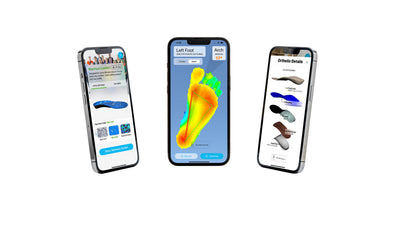
Custom orthotics used to mean booking a clinic appointment and waiting. Today, the fastest way to order is with a 3D foot scan using your iPhone in the Fits Perfect app. The scan is fast, simple, and accurate, and it captures your foot shape at home so your orthotics can be made from it. It's the fastest option on the market for ordering custom-made orthotics.
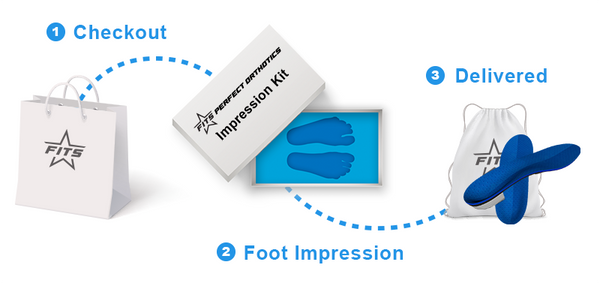
If you don't have an iPhone, you can use a mail-in foam foot impression box instead. Either way, you choose the orthotic design that matches the shoes you wear most.
When to See a Podiatrist
Orthotics, custom or not, provide support and comfort. They are not a substitute for medical care. Book an appointment with a podiatrist or doctor if you notice:
- Pain that lasts more than a couple of weeks or gets worse over time
- Swelling, redness, warmth, or bruising
- Numbness, tingling, or burning in your feet
- Difficulty walking or bearing weight
- Pain that started after a fall, twist, or other injury
If you have diabetes, poor circulation, or reduced sensation in your feet, talk with your doctor or podiatrist before changing your insoles or footwear.
Conclusion
In conclusion, over-the-counter insoles and custom-made orthotics are two different options to help ease foot pain and discomfort. While OTC insoles can provide general cushioning, custom-made orthotics are specifically made to fit the unique shape and structure of an individual's feet. When it comes to longer-lasting comfort and targeted support for specific foot concerns, custom-made orthotics are usually the stronger choice, because they're shaped to your feet and made from firmer, more durable materials. If generic insoles haven't worked for you, a quick scan of your feet with your iPhone is an easy way to explore a pair made just for you.
Frequently asked questions
Are custom orthotics better than over-the-counter insoles?
For most people with recurring discomfort or a non-standard foot shape, yes. Custom orthotics are made from your own foot shape and use firmer materials, while OTC insoles mainly add generic cushioning.
Can over-the-counter insoles make foot pain worse?
An insole that doesn't match your foot can feel uncomfortable or put pressure in the wrong places. If your pain increases after switching insoles, stop using them and see a podiatrist.
Do I need to visit a clinic to get custom orthotics?
Not with Fits Perfect. You order online and capture your foot shape at home with the iPhone scan. If you have ongoing pain or a medical condition, it's still wise to see a podiatrist.
How do I order custom orthotics without an iPhone?
You can use the mail-in foam foot impression box to capture your foot shape instead of the iPhone scan.
How long do custom orthotics last compared with OTC insoles?
It depends on the materials, how often you wear them, and your activity level, but custom orthotics are generally built to last longer than foam or gel insoles. Replace them if they crack, flatten, or stop feeling supportive.


