

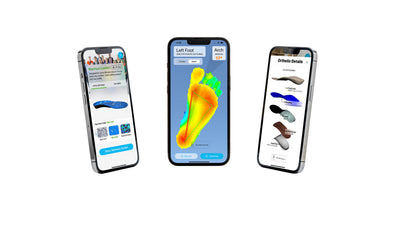


Custom-made orthotics are a great option for those who are looking for targeted support and comfort for their feet and lower limbs. Unlike generic insoles, custom-made orthotics are unique to each individual and are designed to optimize the function of your feet. They are made using a 3D scan of your feet to provide an exact fit and level of support for your specific needs.
There are four main types of custom orthotics. Functional (rigid) orthotics control motion. Accommodative orthotics cushion and offload pressure. Semi-rigid orthotics combine support and cushioning. Sport orthotics are built for the demands of a specific activity. The right type for you depends on what your feet need (control, cushioning, or both) and on the shoes you plan to wear them in.
Types of Orthotics
There are several different types of custom-made orthotics available. Each is designed for specific foot and lower limb needs.
- Functional (Rigid) Orthotics: These orthotics are made from firm materials such as carbon fiber, so they are long-lasting and durable. They provide additional support to the foot and are designed to control the motion of the foot joints below the ankle joint, which helps the foot and ankle move more efficiently. People commonly use them as part of managing foot conditions such as plantar fasciitis, hallux limitus/rigidus, pes plano valgus (flat, rolled-in feet), cavus foot (high arches), limb-length discrepancies, bunion deformities, neuromas, and more.
- Accommodative Orthotics: These orthotics are made from soft, well-cushioned materials. They reduce the impact of standing and walking and redistribute weight across the foot. People with diabetes, sensitive skin, or feet with a fixed deformity often choose them, because these feet need cushioning more than correction. They also suit minor aches where comfort is the main goal. If you have an open wound or ulcer, check with your doctor or podiatrist before wearing any orthotic.
- Semi-rigid Orthotics: These orthotics offer the best of both worlds because they are made from both soft and rigid materials. Their composite structure provides better balance, relieves pressure, and absorbs shock. That makes them a popular choice for foot issues such as flatfoot and in-toeing or out-toeing.
- Sport Orthotics: These are designed to meet the needs of a specific sport. They redistribute high-impact forces on the foot to support athletic performance and help reduce the risk of sport-related injury. We offer sport and running orthotics optimized for running, golf, court sports, field sports, the gym, and more.
Orthotic types at a glance
| Type | How it feels | Main purpose | Often chosen for |
|---|---|---|---|
| Functional (rigid) | Firm, thin, durable | Controlling foot motion | Alignment problems, flat or high arches, heel and arch pain |
| Accommodative | Soft and cushioned | Reducing pressure and friction | Diabetic or sensitive feet, fixed deformities, general comfort |
| Semi-rigid | Supportive with some give | Balancing control and shock absorption | Flatfoot, in-toeing or out-toeing, active everyday wear |
| Sport | Varies by activity | Supporting sport-specific movement | Running, court sports, golf, gym training, cleats and skates |
How to Choose the Right Type of Custom Orthotic
Knowing the categories is only half the job. These practical questions will help you narrow down which type fits your life.
Start with the shoes you'll wear them in
An orthotic only helps if it fits comfortably inside your shoe. Tight dress shoes and fashion shoes need a thin, 3/4-length design. Roomy sneakers and casual shoes can take a fuller orthotic with more cushioning. Heavy work boots and steel-toes call for something sturdy. Cleats, ice skates, cycling shoes, and ski boots have very little interior space, so a lightweight, low-profile design matters most there. If you split your week between very different shoes, plan for that from the start.
Think about what your feet do all day
Someone who stands on a hard floor for a full shift has different needs from a weekend tennis player. For long hours on your feet, comfort and whole-body support usually come first, and the work and comfort orthotics collection is built around that. If most of your foot stress comes from training or competition, a sport-specific orthotic designed for your movement pattern makes more sense. Running is mostly forward motion, while court sports involve a lot of side-to-side cutting.
Match the type to how your feet feel
As a general rule, feet that roll, collapse, or move inefficiently tend to benefit from more control (rigid or semi-rigid). Feet that are sensitive, bony, or prone to pressure spots tend to benefit from more cushioning (accommodative). If you're dealing with a specific diagnosis, our guide to the conditions custom-made orthotics are prescribed for covers this in more depth.
Consider more than one pair
Many people end up with a pair for each main type of shoe they wear, such as one for work boots and one for running shoes. Moving a single pair between shoes that differ a lot in shape and volume can lead to a poor fit in at least one of them.
How Fits Perfect Custom Orthotics Are Made
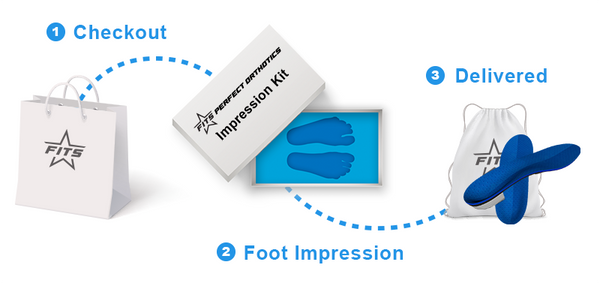
Every Fits Perfect orthotic starts with the shape of your own feet. The quickest way to capture it is a 3D foot scan with your iPhone in the Fits Perfect app. It's fast, simple, and accurate, and it's the fastest option on the entire market for ordering custom-made orthotics. If you don't have an iPhone, you can order a mail-in foam foot impression box instead.
Fits Perfect makes custom orthotics in four categories:
- Sport & running: designs for running shoes, court shoes, golf shoes, gym shoes, and tight-fitting sport footwear such as cleats and ski boots.
- Work & casual: comfort-focused designs for sneakers, casual shoes, and heavy boots or steel-toes.
- Dress: a thin, 3/4-length orthotic made to slip into dress and fashion shoes.
- Diabetic: diabetic comfort orthotics designed to reduce friction against your feet for daily wear.
Getting Used to Your New Orthotics
Whatever type you choose, give your body time to adjust. A common approach is to wear new orthotics for a few hours a day at first and build up gradually. Some awareness of the arch support at first is normal. Sharp pain, new blisters, or pain that gets worse are not normal. Check that the orthotic sits flat in the shoe. In most cases you should remove the shoe's original insole first so the orthotic isn't stacked on top of it.
When to See a Podiatrist
Orthotics can be a helpful part of foot care, but they aren't a substitute for a proper diagnosis. Book an appointment with a podiatrist or doctor if you notice any of the following:
- Foot, ankle, knee, or back pain that lasts more than a couple of weeks or keeps coming back
- Numbness, tingling, or burning in your feet
- Sores, cuts, or skin changes that are slow to heal, especially if you have diabetes
- Swelling, redness, or warmth in a joint
- A visible change in the shape of your foot or how you walk
- Pain after a fall, twist, or other injury
A podiatrist can tell you what's causing the problem and whether a rigid, semi-rigid, or accommodative design suits it best.
Conclusion
Custom-made orthotics offer a wide range of benefits for people with foot or lower limb pain and for those looking for added comfort or better sports performance. Several types are available, each designed for specific needs and use cases. Because they're made from your own foot shape, custom-made orthotics give you the closest fit and the right level of support for your needs.
Fits Perfect provides custom-made orthotics in 4 categories to suit your needs: sport & running, work & casual, dress, and diabetic. When you're ready, browse our full range of custom orthotics to find the pair that best fits your shoes and your day.
Frequently asked questions
What are the main types of custom orthotics?
The main types are functional (rigid), accommodative (soft), semi-rigid, and sport orthotics. Rigid designs control motion, soft designs cushion and reduce pressure, semi-rigid designs balance both, and sport designs are tailored to a specific activity.
Are rigid or soft orthotics better?
Neither is better overall. They do different jobs. Rigid orthotics suit feet that need motion control. Soft, accommodative orthotics suit feet that need cushioning and pressure relief. A podiatrist can help if you're unsure which you need.
Can I use one pair of orthotics in all my shoes?
Sometimes, but it often isn't ideal. A thin dress orthotic won't give the same support in a work boot, and a fuller design may not fit in a tight dress shoe or cleat. Many people keep a pair for each main type of footwear.
How do I know which type of orthotic I need?
Start with the shoes you'll wear most and the activity you do in them, then consider whether you need more control or more cushioning. If you have ongoing pain or a medical condition, see a podiatrist for guidance before choosing.
How do I order custom orthotics online?
With Fits Perfect, you scan your feet with your iPhone in the Fits Perfect app, choose the orthotic type that matches your shoes, and place your order. If you don't have an iPhone, you can use a mail-in foam foot impression box instead.


