



Are you tired of dealing with heel pain every day? Heel pain is one of the most common foot complaints, and it can make standing, walking, and exercising uncomfortable. Custom-made orthotics are one of the most widely used ways to manage it.
Orthotic insoles are shoe inserts designed to support and cushion the feet, ankles, and legs. Custom orthotics are made from a 3D scan of your feet, so they match the shape of your foot and provide support that off-the-shelf insoles can't match. This article explains what causes heel pain, how orthotics help, and which other treatments work alongside them.
Common causes of heel pain
Heel pain has several possible causes. The most common include:
- Plantar fasciitis: Irritation of the band of tissue that runs from the heel to the toes. It typically causes sharp pain under the heel, especially with your first steps in the morning or after sitting.
- Heel spurs: Bony growths on the underside of the heel bone, often found alongside plantar fasciitis.
- Achilles tendonitis: Pain at the back of the heel where the Achilles tendon attaches.
- Overuse: Long hours standing, running, or walking on hard surfaces.
- Poor footwear: Shoes with little cushioning or arch support, or shoes that are worn out.
- Foot structure: Flat feet or high arches can change how pressure is spread across the heel.
How orthotic insoles help with heel pain
Custom-made orthotics can help with heel pain in several ways:
- Arch support: Supporting the arch reduces tension on the plantar fascia where it attaches to the heel.
- Heel cushioning: A well-shaped heel cup helps absorb impact with each step.
- Pressure distribution: Spreading your weight over the whole foot takes load off the painful area.
- Alignment: Controlling excessive inward rolling (overpronation) can reduce strain on the heel and arch.
Because custom orthotics are made from a 3D model of your feet, the support sits exactly where your foot needs it. They're also tailored to the kind of shoes and activities you use them for. Over-the-counter insoles are generic and often don't line up with your arch. For more on the difference, see custom-made orthotics vs. over-the-counter insoles.
Other treatments for heel pain
Treatment depends on the cause and severity of your heel pain. Orthotics usually work best as part of a broader plan. Common treatments include:
- Rest and ice: Reducing activity and applying ice to the heel for 10 to 15 minutes can ease pain and inflammation.
- Stretching: Stretching the calf muscles and plantar fascia can relieve tension and help prevent pain from returning.
- Strengthening exercises: Strengthening the foot and lower leg muscles improves support.
- Supportive footwear: Shoes with good cushioning and arch support, especially if you're on your feet a lot.
- Anti-inflammatory medication: Over-the-counter options may help with pain; check with a pharmacist or doctor first.
- Physical therapy: A physical therapist can guide a stretching and strengthening program.
- Injections or other treatments: A doctor may suggest these for persistent pain.
- Surgery: Rarely needed, and usually only considered when other treatments haven't worked.
Simple stretches for heel pain
- Wall calf stretch: Stand facing a wall, step one foot back with the heel down, and lean forward. Hold for 30 seconds.
- Towel stretch: Before getting out of bed, loop a towel around the ball of your foot and gently pull it toward you.
- Ball roll: Roll a tennis ball or frozen water bottle under your arch for a few minutes.
For more ideas, read massages for heel spurs.
Choosing orthotics for heel pain
Look for orthotics that offer firm arch support, a supportive heel cup, and enough cushioning for your activity. Make sure they fit the shoes you wear most, and remove the shoe's original insole so the orthotic sits flat.
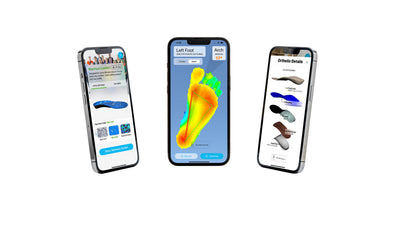
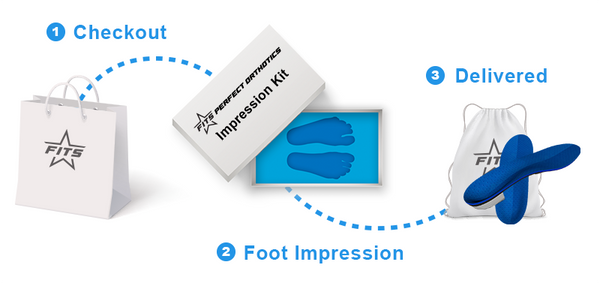
Fits Perfect orthotics are made from a 3D scan you take with your iPhone in the Fits Perfect app, a fast, simple, and accurate way to capture your feet. If you don't have an iPhone, a mail-in foam impression box is available. Maximum Comfort is designed for everyday and casual shoes, while the Running orthotic suits runners with heel pain.
Everyday habits that ease heel pain
- Stretch before you stand. A few gentle calf and foot stretches before getting out of bed can ease the sharp pain of your first steps.
- Avoid long periods barefoot on hard floors, where your heel takes the full impact.
- Replace worn-out shoes. Shoes that have lost their cushioning or shape stop protecting your heel.
- Ease into new activity. Sudden jumps in walking, running, or standing time are a common trigger.
- Take standing breaks. If you stand for work, shifting position and sitting when you can reduces strain.
- Keep orthotics in the shoes you wear most, so your heel is supported for most of the day.
If you spend long days on your feet, see our guide to custom orthotics for work.
When to see a podiatrist
See a podiatrist or doctor if your heel pain is severe, started after an injury, comes with swelling, numbness, or tingling, or hasn't improved after a few weeks of rest and home care. They can identify the exact cause and recommend the right treatment.
Conclusion
Orthotic insoles can help with heel pain by supporting the arch, cushioning the heel, and spreading pressure more evenly. Combined with stretching, good footwear, and rest when needed, they're one of the most effective ways to manage everyday heel pain. If your pain is severe or unusual, get it checked first.
Frequently asked questions
Do orthotics help plantar fasciitis heel pain?
Yes. They support the arch and cushion the heel, which reduces tension on the plantar fascia.
How long does it take for orthotics to help heel pain?
Some people notice a difference within a few weeks, but it depends on the cause and how consistently you wear them.
Are custom orthotics better than store-bought insoles for heel pain?
For ongoing heel pain, custom orthotics are usually more effective because they're shaped to your feet.
Should I walk barefoot with heel pain?
It's usually best to avoid long periods barefoot on hard floors, since your heel and arch get no support.


