



Custom-made orthotics are a common part of managing posterior tibial tendonitis. The condition is also called posterior tibial tendon dysfunction (PTTD), and when it progresses it can lead to adult-acquired flatfoot. It involves irritation, inflammation, or weakening of the posterior tibial tendon, which runs along the inside of the ankle and helps hold up the arch of your foot.
This article explains the symptoms and causes of posterior tibial tendonitis, how custom orthotics can help, and other steps that support recovery.
What does the posterior tibial tendon do?
The posterior tibial tendon connects a muscle in your lower leg to bones on the inner side of your foot. It's one of the main structures that supports your arch and keeps your foot stable when you walk. When the tendon becomes irritated or weakened, it can't support the arch as well, and the arch may gradually lower.
Symptoms of posterior tibial tendonitis
- Pain and tenderness along the inside of the ankle and arch.
- Swelling on the inner ankle.
- Pain that worsens with activity, especially walking, running, or standing for long periods.
- Difficulty standing on tiptoe on the affected foot.
- A flattening arch on the affected side over time.
In more advanced cases, the heel may tilt outward and the front of the foot may point outward, sometimes described as "too many toes" being visible from behind. These changes are a sign the condition needs professional care.
How posterior tibial tendonitis progresses
The condition is often described in stages. Knowing where you are helps explain why early care matters:
- Early stage: Pain and swelling along the inner ankle, but the arch still looks normal and you can stand on tiptoe. This is when conservative care, including orthotics, tends to work best.
- Middle stage: The arch begins to flatten when you stand, and standing on tiptoe on the affected foot becomes difficult or painful. The foot is still flexible.
- Later stages: The flatfoot becomes stiff and the ankle may be affected. These stages usually need more involved treatment from a specialist.
A quick self-check
Hold onto a counter for balance and try to rise up onto the toes of one foot at a time. If rising on the affected side is painful, weak, or the heel doesn't turn inward as you rise the way it does on the other foot, the tendon may not be working properly. This isn't a diagnosis, but it's a good reason to have your foot checked.
Causes and risk factors
Posterior tibial tendonitis usually develops gradually. Common causes and risk factors include:
- Overuse from repetitive activity such as running, walking, or sports with quick changes of direction.
- Flat feet, which can place extra strain on the tendon.
- Excess body weight, which increases the load on the tendon.
- Diabetes and high blood pressure, which are associated with tendon problems.
- Certain types of arthritis.
- Age, as tendons become less flexible over time.
- Injury, such as an ankle sprain or fall.
Learn more about the link between arches and pain in can orthotics help to alleviate pain or correct flat feet?
How custom-made orthotics can help
Orthotics are one of the most common non-surgical approaches for posterior tibial tendonitis. They can help by:
- Supporting the arch so the tendon doesn't have to do as much work.
- Controlling overpronation, reducing the inward roll that stretches and strains the tendon.
- Redistributing pressure away from the inner ankle and arch.
- Improving alignment of the foot and ankle during walking.
Because custom-made orthotics are built from the shape of your own feet, they provide targeted support to the areas that need it most. Orthotics don't cure the condition on their own, but they can reduce strain on the tendon while it recovers and help manage symptoms long term.
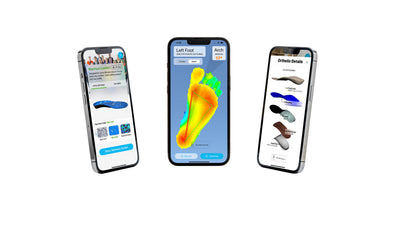
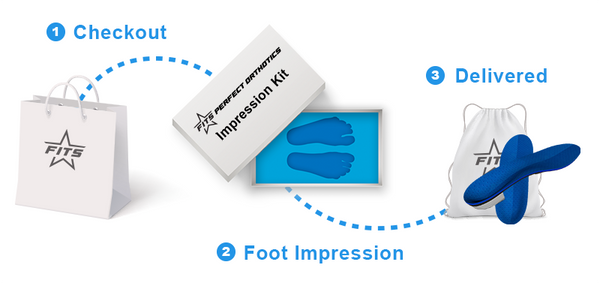
With Fits Perfect, you scan your feet with your iPhone in the Fits Perfect app, a fast, simple, and accurate 3D foot scan. If you don't have an iPhone, a mail-in foam impression box is available. For everyday wear, Maximum Comfort orthotics fit casual and sneaker-style shoes, and Heavy Duty Comfort is designed for work boots.
Other ways to support recovery
- Rest and activity changes. Cut back on activities that aggravate the pain, such as running or long walks.
- Ice. Apply ice to the inner ankle for 10 to 15 minutes to help with pain and swelling.
- Supportive footwear. Choose shoes with a firm heel and good arch support, and avoid flat, flexible shoes.
- Strengthening exercises. A physical therapist can guide exercises that strengthen the tendon and surrounding muscles.
- Calf stretching. Tight calves can add strain to the foot and ankle.
For general recovery tips, see tips for faster recovery from foot injuries.
When to see a podiatrist
See a podiatrist or doctor if you have inner ankle pain that lasts more than a few weeks, swelling, a noticeably flattening arch, or trouble standing on tiptoe. Early treatment matters with this condition, because it can progress if it isn't managed. Severe cases may need a walking boot, a brace, or other treatment.
Frequently asked questions
Can orthotics help posterior tibial tendonitis?
Yes. They support the arch and reduce strain on the tendon, and are one of the most common non-surgical approaches.
Is posterior tibial tendonitis the same as flat feet?
Not exactly. It's a tendon problem that can cause the arch to flatten over time if it isn't managed.
How long does posterior tibial tendonitis take to heal?
It varies with severity. Mild cases may improve over weeks; more advanced cases can take longer and need professional care.
What shoes are best for posterior tibial tendonitis?
Shoes with a firm heel counter, good arch support, and enough room for an orthotic are usually recommended.


