



Cycling is a great low-impact way to build fitness, but it still puts repeated demands on your feet. On a long ride, you'll push through the pedals thousands of times, with your feet locked into stiff cycling shoes. Many cyclists deal with foot pain, numbness, hot spots, and knee discomfort that can be traced back to how their feet sit in their shoes. Custom-made orthotics can help. They're inserts worn inside your cycling shoes to support and align your feet, created from a 3D model of your feet.
This article covers why cycling affects your feet, common foot problems on the bike, how orthotics help, and what to look for in cycling orthotics.
How your feet affect your cycling
Your feet are one of the key contact points between you and the bike, along with your hands and saddle. Every pedal stroke transfers force from your legs, through your feet, into the pedals. Cycling shoes are stiff so that force isn't wasted, but most come with thin, flat insoles that don't support the arch. Under load, an unsupported arch can collapse slightly with each stroke, causing the foot to roll inward. That small movement, repeated thousands of times, can affect how your knee tracks and create pressure on parts of the foot.
Common foot problems in cyclists
- Hot foot: Burning pain or numbness in the ball of the foot, often from pressure on the nerves.
- Numbness and tingling in the toes on longer rides.
- Arch pain from an unsupported foot pushing against a stiff sole.
- Knee pain, which can be linked to how the foot and leg align on the pedal.
- Pressure points from tight, stiff shoes.
The benefits of orthotics for cyclists
An orthotic supports your arch so your foot stays more stable through each pedal stroke. With less collapse and inward rolling, the foot, knee, and hip can line up more consistently, which may ease knee discomfort for some riders. A more stable foot also transfers power to the pedal more efficiently, rather than losing some of it to movement inside the shoe.
By spreading pressure across more of the foot, an orthotic can reduce the concentrated pressure on the ball of the foot that contributes to hot foot and numbness. Many riders find their feet feel more comfortable on long rides, with fewer hot spots and less fatigue. Because custom orthotics are made from your own foot shape and built from durable materials, they provide consistent support ride after ride.
What to look for in cycling orthotics
- Thin profile: Cycling shoes are close-fitting, so a slim orthotic keeps the fit right.
- Firm support: Support that holds the arch under pedaling load.
- Made from your foot shape: Support that matches your arch.
- Forefoot pressure relief: Even support under the ball of the foot.
- Durability: For many miles of riding.
Our recommendation for cyclists
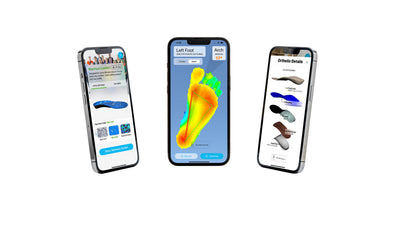
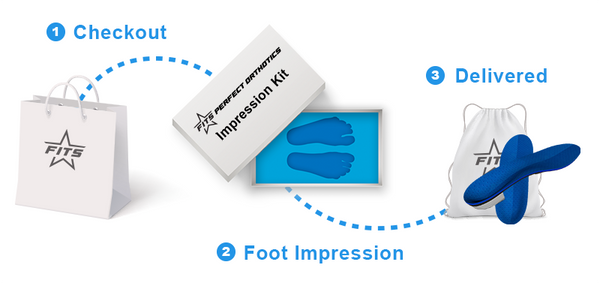
For cyclists of all speeds, we recommend the Fits Perfect UltraThin Carbon Sport orthotic, designed for cycling shoes, cleats, ice skates, and ski boots. To order, scan your feet with your iPhone in the Fits Perfect app, a fast, simple, and accurate 3D scan. If you don't have an iPhone, a mail-in foam impression box is available.
If you also run or train in the gym, the Running and Fitness orthotics suit sneakers.
Fitting orthotics in your cycling shoes
Remove the shoe's stock insole and insert the orthotic. Check that your heel sits snugly and your toes have room. Because an orthotic can slightly change how your foot sits on the pedal, it's worth checking your cleat position after installing them. Start with shorter rides and build up to longer ones over one to two weeks.
Other tips for comfortable feet on the bike
- Choose cycling shoes with enough width, especially in the toe box.
- Avoid over-tightening straps or dials, which can cause numbness.
- Check your cleat position, as poorly positioned cleats can cause foot and knee pain.
- Consider a professional bike fit if you have ongoing discomfort.
- Wear thin, moisture-wicking socks.
For more on sports orthotics, see how athletes benefit from custom orthotic insoles.
When to see a professional
See a doctor or podiatrist if you have numbness that doesn't go away after riding, persistent foot or knee pain, or swelling.
Conclusion
Custom-made orthotics can be a great option for cyclists dealing with foot pain, hot foot, numbness, or knee discomfort. They support the arch, keep the foot stable on the pedal, help with alignment, and spread pressure more evenly. A thin, durable orthotic made from your own feet gives you support without compromising the fit of your cycling shoes.
Frequently asked questions
Can you use orthotics in cycling shoes?
Yes. Thin orthotics replace the stock insole in cycling shoes.
Do orthotics help with hot foot?
By spreading pressure more evenly, they can reduce pressure on the ball of the foot.
Can orthotics help knee pain from cycling?
Better foot support can improve alignment, which may ease knee discomfort. A bike fit also helps.
Do I need to adjust my cleats after adding orthotics?
It's worth checking, since orthotics can slightly change how your foot sits on the pedal.


