



Hockey demands speed, power, balance, and quick reactions, and much of that starts with your feet. Inside a stiff, tight skate, your feet are constantly working to control your edges, push off, stop, and turn. Many hockey players deal with foot pain, arch cramping, and discomfort that affects how they skate. Custom-made orthotics can help. They're inserts worn inside your skates to support and align your feet, created from a 3D model of your feet.
This article covers the foot demands of hockey, common foot problems players face, how orthotics help, and what to look for in hockey orthotics.
Why hockey is hard on the feet
Hockey skates are built to be rigid and close-fitting, so the boot transfers your movements directly to the blade. That's great for control, but it means your feet are held in a fixed position for long periods, with little room to move. Most stock skate insoles are thin and flat, offering little arch support. During play, your feet handle explosive strides, hard stops, tight turns, and crossovers, while making constant small adjustments for balance. Over a game or practice, that can lead to fatigue, cramping, and pain.
Common foot problems in hockey players
- Arch pain and cramping from the foot working hard inside a flat skate.
- Heel pain, including irritation at the back of the heel from boot pressure.
- Ankle discomfort from the foot rolling inside the skate.
- Pressure points and blisters from a poor fit or foot movement in the boot.
- Numbness from tight lacing or pressure on the top of the foot.
- Impact injuries from pucks and contact.
The benefits of orthotics for hockey players
An orthotic gives your foot the arch support that most skates lack. With the arch supported, your foot doesn't have to work as hard to stay stable, which can reduce cramping and fatigue. Supporting the arch and limiting excessive rolling also helps your foot sit in a more balanced position, which can improve how evenly you load your edges.
A well-fitted orthotic fills the space under your foot more completely, helping your foot feel more locked into the skate and reducing movement that causes blisters and pressure points. Many players find this improves their feel for the ice and their confidence during stops and turns. Because custom orthotics are made from your own feet and built from durable materials, they also stand up to the demands of a season.
What to look for in hockey orthotics
- Very thin profile: Skates leave little room, so a slim orthotic is essential.
- Firm, stable support: Thin but supportive materials that don't collapse under load.
- Made from your foot shape: Support that matches your arch.
- Secure heel fit: Helps lock the heel into the skate pocket.
- Durability: To handle frequent ice time.
Our recommendation for hockey players
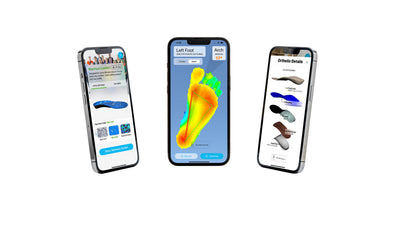
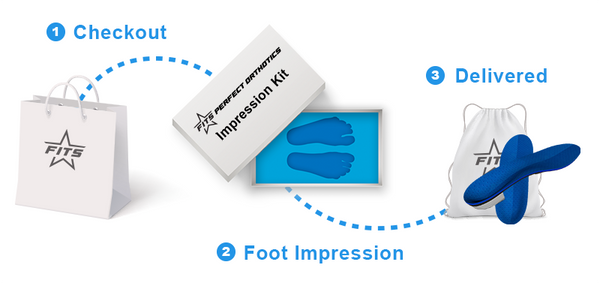
For hockey players of all levels, we recommend the Fits Perfect UltraThin Carbon Sport orthotic. It's designed for ice skates, cleats, cycling shoes, and ski boots, providing support without taking up much room. To order, scan your feet with your iPhone in the Fits Perfect app, a fast, simple, and accurate 3D scan. If you don't have an iPhone, a mail-in foam impression box is available.
For off-ice training in the gym, the Fitness orthotic is designed for workout shoes.
Fitting orthotics in your skates
Remove the skate's stock insole and place the orthotic inside. Lace your skates as usual and check that your heel sits deep in the heel pocket and your toes aren't pressing against the front. Skate for short sessions first, paying attention to any new pressure points, and build up to full practices and games over one to two weeks. If the skate feels too tight, a skate fitter can help adjust the boot.
Other tips for healthy feet in hockey
- Get skates properly fitted for both length and width.
- Lace firmly at the ankle, but avoid over-tightening across the top of the foot.
- Dry your skates and insoles fully between sessions.
- Wear thin, moisture-wicking socks.
- Strengthen your ankles and feet with balance work off the ice.
For more on sports orthotics, see how athletes benefit from custom orthotic insoles.
When to see a professional
See a doctor or podiatrist if you have persistent foot pain, numbness that doesn't go away after skating, swelling, or an injury from a puck or collision.
Conclusion
Custom-made orthotics can be a great option for hockey players dealing with foot pain, cramping, or discomfort in their skates. They add arch support, improve stability and fit inside the boot, and reduce fatigue. A thin, durable orthotic made from your own feet gives you support without compromising the fit of your skates.
Frequently asked questions
Can you put orthotics in hockey skates?
Yes. Thin orthotics are designed to fit inside skates in place of the stock insole.
Why do my arches hurt in my skates?
Most skates have flat insoles with little arch support, so your feet work harder to stay stable.
Will orthotics change how my skates fit?
A thin orthotic usually improves fit by filling the space under your arch.
Do orthotics help with skate cramping?
Many players find that arch support reduces cramping and fatigue.


