



Foot blisters are a common problem for athletes, hikers, and anyone who spends a lot of time on their feet. They form when friction and pressure cause the outer layers of skin to separate and fill with fluid. Blisters can be surprisingly painful and can stop you from training, working, or even walking comfortably.
The good news is that most blisters can be prevented. This article covers what causes blisters, how to reduce your risk, how to care for a blister safely, and how custom-made orthotics can help.
What causes foot blisters?
Blisters usually form from a combination of three things:
- Friction: Skin rubbing repeatedly against a shoe, sock, or insole.
- Pressure: Areas of the foot that take more load, such as the heel, ball of the foot, and toes.
- Moisture: Sweaty or damp skin is softer and more likely to blister.
Common triggers include new or poorly fitting shoes, shoes that are too tight or too loose, cotton socks that hold moisture, sudden increases in activity, and long periods of walking or running, especially in heat.
Where blisters usually form
- Back of the heel: Often from a heel that slips inside the shoe.
- Ball of the foot: From high pressure during walking and running.
- Toes: From a toe box that's too narrow or too short.
- Sides of the foot: From shoes that are too narrow or pinch at the sides.
Where your blisters form is a useful clue to what's causing them.
How to prevent foot blisters
Wear shoes that fit properly
Shoes that are too tight create pressure points, and shoes that are too loose let your foot slide and rub. Make sure there's enough room for your toes to move, your heel doesn't slip, and the shoe doesn't pinch anywhere. Shop for shoes later in the day, when feet are slightly larger.
Break in new shoes gradually
Wear new shoes for short periods first, before using them for long walks, runs, or full workdays.
Choose moisture-wicking socks
Socks made from synthetic fibers or wool blends wick moisture away from the skin better than cotton, which holds sweat. Make sure socks fit smoothly without bunching or wrinkles.
Use custom-made orthotics
Custom-made orthotics can help reduce blisters by improving how your foot sits in your shoe. Because they're shaped to your feet, they spread pressure more evenly and help reduce the sliding and rubbing that cause friction. Good arch support and a well-fitted heel cup also help keep the foot stable inside the shoe.
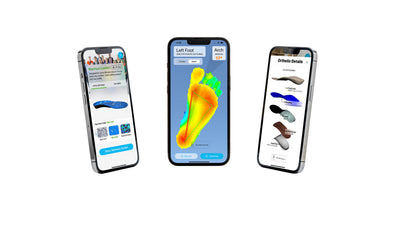
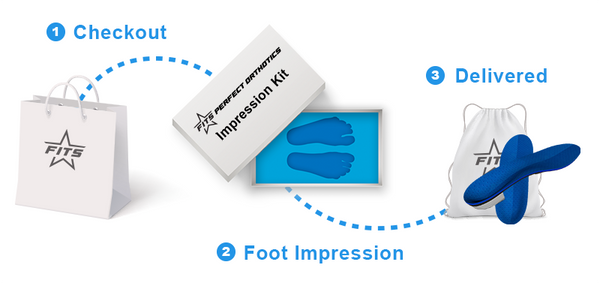
With Fits Perfect, you scan your feet with your iPhone in the Fits Perfect app for a fast, simple, and accurate 3D scan, or use the mail-in foam impression box if you don't have an iPhone. For athletes, see the sport and running range, or Maximum Comfort for everyday shoes.
Protect hot spots
If you feel a warm, irritated spot developing, stop and protect it before it becomes a blister. Tape, moleskin, or a blister bandage on areas that are prone to rubbing can reduce friction.
Increase activity gradually
Sudden jumps in distance or duration are a common cause of blisters. Build up slowly so your skin and feet can adapt.
Keep feet dry
Change socks if they get damp, and let your shoes dry out fully between uses.
How to care for a blister
- Leave it intact if you can. The skin over a blister protects the area underneath from infection.
- Cover it. Use a blister bandage or a soft dressing to protect it and reduce friction.
- Reduce pressure. Wear different shoes or pad around the area while it heals.
- If it breaks, gently wash the area with soap and water, leave the skin flap in place if possible, and cover it with a clean dressing.
- Avoid picking or peeling the skin.
If a large blister is very painful, a doctor or podiatrist can drain it safely.
When to see a doctor
See a doctor if a blister shows signs of infection, such as increasing redness, warmth, swelling, pus, or red streaks, or if you have a fever. People with diabetes or poor circulation should have foot blisters checked promptly, since they can heal slowly and become infected more easily. Recurring blisters in the same spot may also point to a fit or foot-mechanics problem worth having assessed.
Blisters in athletes
Runners, hikers, and court athletes are especially prone to blisters because of repetitive movement, heat, and sweat. Getting the right fit for your sport's footwear, using moisture-wicking socks, and keeping your foot stable inside the shoe all make a difference. Read more about how support helps in which athletes can benefit from wearing orthotics.
Conclusion
Foot blisters are caused by friction, pressure, and moisture, and most of them can be prevented with well-fitting shoes, good socks, gradual increases in activity, and proper support. Custom-made orthotics help by keeping your foot stable and spreading pressure more evenly, which reduces the rubbing that causes blisters.
Frequently asked questions
Should I pop a foot blister?
It's usually best not to. Leaving the skin intact protects against infection. A doctor can drain a large, painful blister safely.
How long do blisters take to heal?
Most small blisters heal within about a week if they're protected from further rubbing.
Can orthotics cause blisters?
New orthotics can rub at first if they're not broken in gradually or don't suit the shoe. Ease into them and check the fit.
What socks are best for preventing blisters?
Moisture-wicking socks made from synthetic fibers or wool blends, with a smooth, snug fit.


