




Orthotics are designed to provide support and comfort for the feet and lower limbs. They are often used as part of managing conditions such as plantar fasciitis, flat feet, and overpronation. Custom-made orthotics are designed to fit an individual's specific needs and can offer a range of benefits for people experiencing foot and lower limb pain. But how do you know if you need orthotics?
The short answer is to look for patterns. Foot, heel, or arch pain that keeps coming back, shoes that wear down unevenly, feet that ache after standing or walking, frequent ankle rolling, or knee, hip, or lower back discomfort that seems linked to how you stand and move can all suggest your feet would benefit from more support. A diagnosed condition such as flat feet, overpronation, or diabetes is another common reason. Orthotics aren't a fix for every problem, so if your pain is severe, sudden, or not improving, see a podiatrist or doctor to find the cause first.
Common Signs You May Need Orthotics
Most people don't wake up one day knowing they need orthotics. The signs tend to build gradually, which makes them easy to ignore. Here are the ones worth paying attention to.
1. Persistent or recurring foot pain
Occasional soreness after an unusually long day is normal. Pain that returns regularly, especially in the heel or arch, is different. Heel pain that is worst with your first steps in the morning is a classic pattern people describe. If heel pain is your main concern, our article on whether orthotic insoles help with heel pain covers that topic in more detail.
2. Uneven wear on your shoes
Your shoes keep a record of how you walk. Heavy wear along the inner edge of the sole can point to your feet rolling inward, while heavy wear along the outer edge can suggest they roll outward. Uppers that tilt or bulge to one side when the shoes sit on a flat surface tell a similar story.
3. Tired, achy feet after standing or walking
If your feet feel worn out well before the end of a shift or a day out, your arches and the muscles around them may be working harder than they should. This is especially common for people who stand on hard floors for long hours.
4. Pain that travels up to your knees, hips, or lower back
Your feet are the foundation for the rest of your body. When they don't absorb and distribute load well, the effects can show up higher up the chain. Not all knee or back pain comes from the feet, but if it tends to flare up after long periods on your feet, it's worth considering.
5. Frequent ankle rolling or feeling unstable
Rolling your ankle often, or feeling wobbly on uneven ground, can be related to the way your foot is shaped and how it moves. Support under the foot is one factor that may help you feel more stable.
6. Calluses or pressure spots in the same places
Thick skin that keeps forming in the same spots, such as under the ball of the foot or on the side of the heel, often means pressure is concentrated there rather than spread across the foot.
Conditions That May Require Custom-made Orthotics
- Foot pain: Foot pain is one of the most common symptoms that can indicate the need for orthotics. If you experience pain in your feet, especially in the heel or arch, it may be caused by a condition such as plantar fasciitis or flat feet. Orthotics can provide support and cushioning for these areas, which may help ease pain and discomfort.
- Overpronation: Overpronation is a condition where the foot rolls inward when walking or running. This can cause strain on the foot and lower limb, leading to pain and discomfort. Orthotics can help to guide the motion of the foot and provide support for the arch, helping to reduce the strain on the foot and lower limb.
- Flat feet: Flat feet is a condition where the arch of the foot is flattened. This can cause pain and discomfort, especially in the heel and arch. Orthotics can provide support for the arch and help to redistribute weight across the foot, which may help reduce pain and discomfort. Learn more in can orthotics help alleviate pain or correct flat feet?
- Diabetic foot: People with diabetes are more likely to have foot problems and are at a higher risk of foot ulcers and other complications. Custom-made orthotics can help to reduce pressure points, improve balance and stability, and provide cushioning and support for the feet. If you have diabetes, talk with your doctor or podiatrist about foot care, and consider options from our diabetic custom orthotics collection as part of that plan.
- Athletes: Athletes are prone to foot and lower limb pain and injuries. Custom-made orthotics can provide support and cushioning for the feet, which may help reduce strain during training and competition.
Simple Checks You Can Do at Home
None of these replace a professional assessment, but they can help you decide whether it's time to look into orthotics or book an appointment.
- Inspect your most-worn shoes. Put them on a flat table and look at them from behind. Note where the soles are most worn and whether the heel counters lean inward or outward.
- Watch your arch when you stand. Sit down and look at your arch, then stand up with your weight evenly on both feet. If the arch largely disappears when you stand, your foot may be flattening under load. A very high, rigid arch that barely touches the ground can also concentrate pressure on the heel and ball of the foot.
- Ask someone to look at you from behind. While you stand relaxed and barefoot, have a friend check whether your heels tilt noticeably inward or outward.
- Try a single-leg balance. Stand on one foot for 30 seconds, then switch. If one side feels much less stable, make a note of it.
- Keep a short pain diary. For a week or two, jot down when your feet, knees, or back hurt, what shoes you wore, and what you were doing. Patterns are useful to you and to any podiatrist you see.
When to See a Podiatrist or Doctor First
Some symptoms need a proper diagnosis before you think about orthotics. Book an appointment with a podiatrist or doctor if you notice:
- Sudden, sharp pain, or pain after a fall or injury
- Swelling, bruising, warmth, or redness in the foot or ankle
- Trouble putting weight on your foot
- Numbness, tingling, or burning sensations
- Cuts, blisters, or sores that are slow to heal, especially if you have diabetes
- Pain that hasn't improved after a couple of weeks of rest, gentle stretching, and supportive footwear
- Visible changes in the shape of your foot or toes
A podiatrist can identify what's behind your symptoms and tell you whether orthotics are likely to be a helpful part of your plan.
Custom-made or Over-the-counter?
If the signs above sound familiar, the next question is usually what kind of orthotic to choose. Off-the-shelf insoles are built around an average foot, while custom-made orthotics are built around yours. That difference matters most if your feet are asymmetrical, your arches are particularly high or low, or generic insoles haven't helped. We compare the two in detail in custom-made orthotics vs. over-the-counter insoles.
How to Get Custom-made Orthotics
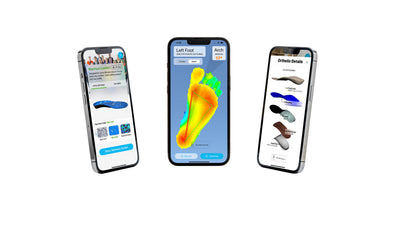
Getting custom orthotics no longer has to mean extra appointments. With Fits Perfect, you capture your foot shape with a fast, simple, and accurate 3D foot scan using your iPhone in the Fits Perfect app, which is the fastest option on the market to order custom-made orthotics. If you don't have an iPhone, you can use a mail-in foam foot impression box instead.
It also helps to match the orthotic to the shoes you wear most. There are styles designed for dress shoes, work boots and casual shoes, sneakers, and sport-specific footwear such as court, golf, and cleats, as well as a diabetic comfort option.
If you are experiencing any of the signs above or have a condition that affects your feet or lower limbs, custom-made orthotics are worth considering. When you're ready, you can browse the full range of custom orthotics made from your own foot scan to find the style that suits your shoes and your day.
Frequently asked questions
Can I tell if I need orthotics without seeing a doctor?
You can spot many of the common signs yourself, such as recurring heel or arch pain, uneven shoe wear, and tired feet after standing. However, if your pain is severe, sudden, or not improving, or you have numbness or a condition like diabetes, see a podiatrist or doctor first.
Do I need orthotics if I have flat feet?
Not necessarily. Many people with flat feet have no symptoms at all. Orthotics are usually considered when flat feet come with pain, fatigue, or strain in the feet, knees, or lower back.
What happens if you need orthotics but don't wear them?
The underlying way your feet move and bear weight won't change on its own, so discomfort may continue or recur. If symptoms persist or get worse, a podiatrist can assess the cause and suggest the right approach.
How long does it take to get used to orthotics?
It varies from person to person. Many people find it helps to start by wearing them for a few hours a day and gradually increase. If you feel new or worsening pain, stop and check with a podiatrist.


