



Weightlifting is a great way to build muscle, stay in shape, and maintain a healthy lifestyle. It also depends heavily on your feet. Whether you're squatting, deadlifting, or pressing overhead, your feet are your connection to the ground, and any instability there affects the whole lift. Many lifters deal with foot pain, misalignment, or discomfort that limits their training. Custom-made orthotics can help. They're inserts worn inside your gym shoes to support and align your feet and legs, created from a 3D model of your feet.
This article explains why your feet matter in lifting, the benefits of orthotics for weightlifters, and what to look for in a pair.
Why your feet matter in weightlifting
- Stable base: Lifts like squats and deadlifts rely on a solid, even contact with the floor.
- Force transfer: Your legs drive force into the ground through your feet. A collapsing arch leaks some of that stability.
- Knee alignment: If your arches collapse during a squat, your knees may tend to cave inward.
- Balance: Lunges, split squats, and single-leg work demand foot control.
Common foot issues in lifters
- Flat feet and arch collapse under heavy load.
- Overpronation affecting knee tracking.
- Plantar fasciitis and heel pain, especially with jumping and conditioning work.
- Forefoot pain from lunges, box jumps, and calf work.
- Foot fatigue during long sessions.
The benefits of orthotics for weightlifters
- A more stable base: Orthotics support the arch so your foot stays more stable under load.
- Better alignment: Controlling arch collapse can help keep the ankles and knees better aligned.
- Force distribution: Orthotics help distribute forces more evenly through the foot and up the leg.
- Pain relief: Redistributing pressure can ease pain from plantar fasciitis and heel spurs.
- Comfort: Standing, moving, and training become more comfortable over long sessions.
- Reduced strain: Better foot mechanics can reduce strain on the feet and ankles.
- Built for your feet: Custom orthotics match your foot shape, unlike over-the-counter insoles.
- Durability: High-quality materials hold up to intense training.
What to look for in weightlifting orthotics
- Firm support: Lifting needs stability more than soft cushioning, which can feel unstable under heavy loads.
- Designed for gym shoes: The orthotic should fit well in training shoes.
- Some shock absorption: Helpful for jumps, conditioning, and cardio.
- Durable, breathable materials: For comfort during intense sessions.
- Made from your foot shape: Support that matches your arch.
Our recommendation for weightlifters
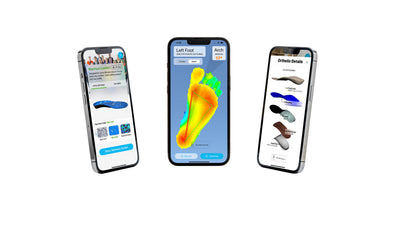
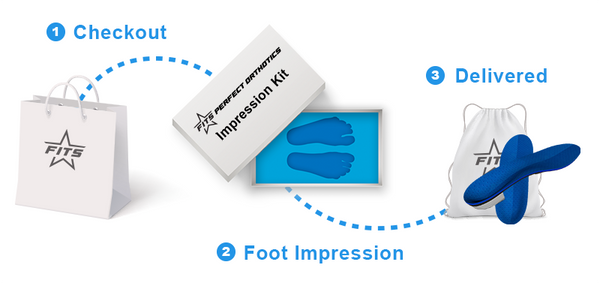
For weightlifters and gym-goers, we recommend the Fits Perfect Fitness orthotic. It's designed for gym, workout, and aerobics shoes, providing load-bearing support. To order, scan your feet with your iPhone in the Fits Perfect app, a fast, simple, and accurate 3D scan. If you don't have an iPhone, a mail-in foam impression box is available.
If you also run as part of your training, consider the Running orthotic for your running shoes.
A note on lifting shoes
Some lifters use specialized weightlifting shoes with a raised, solid heel, or train in flat, minimal shoes. Orthotics fit best in training shoes with a removable insole. If you use specialty lifting shoes, check that there's room for an orthotic without affecting your fit or heel position.
Foot exercises for lifters
- Short foot exercise: Lift your arch by drawing the ball of your foot toward your heel without curling your toes.
- Calf raises: Build calf and foot strength.
- Toe spreads: Improve foot control and contact with the floor.
- Single-leg balance: Improve stability for unilateral lifts.
For more, see best exercises for collapsed arches and flat feet.
Signs your feet are affecting your lifts
Watch yourself squat in a mirror or on video. If your arches visibly flatten and your knees drift inward as you descend, foot support may help. Other signs include feeling your weight roll to the inside or outside edges of your feet during deadlifts, foot or arch pain after leg days, and difficulty keeping balance during lunges and split squats. These patterns are common in lifters with flat feet or overpronation. Addressing them with a supportive orthotic and foot-strengthening work can help you feel more grounded and stable under the bar. See understanding flat feet for more.
How to break in gym orthotics
- Remove the shoe's original insole and insert the orthotic.
- Wear them for daily activities for a few days.
- Use them for lighter sessions first.
- Build up to heavy lifts over one to two weeks.
When to see a professional
See a podiatrist, sports physician, or physical therapist if you have pain that worsens with training, swelling, or pain after an injury.
Conclusion
Custom-made orthotics can be a great option for weightlifters dealing with foot pain, misalignment, or discomfort. They provide a more stable base, better alignment, and more even force distribution, which supports better form and more comfortable training. A firm, supportive orthotic made from your own feet works best in the gym.
Frequently asked questions
Should you wear orthotics when lifting weights?
If you have flat feet, overpronation, or foot pain, orthotics can provide a more stable base for lifting.
Do orthotics help squat form?
By supporting the arch, they can help reduce knee cave caused by arch collapse.
What are the best insoles for the gym?
Firm, supportive orthotics made from your foot shape that fit your training shoes.
Can I use orthotics for CrossFit?
Yes. They can support you through lifting and conditioning work.


