



Heel spurs, also known as calcaneal spurs, are bony growths that develop on the underside of the heel bone. They can cause pain and discomfort, especially when standing or walking, though some people have spurs and feel nothing at all. When there is pain, it's often linked to irritation of the surrounding soft tissue, particularly the plantar fascia, the band of tissue that runs from your heel to your toes.
Massage can't remove a heel spur, but it can help relax tight tissue, improve comfort, and make standing and walking easier. In this article, we'll go through helpful tips and techniques for massaging heel spurs at home, along with stretches and habits that support them.
Why massage can help heel spur pain
Heel spur pain usually comes from strain and tension in the tissues attached to the heel rather than from the bone growth itself. Gentle massage can:
- Loosen tight tissue along the arch and heel.
- Increase blood flow to the area.
- Ease stiffness, especially first thing in the morning.
- Make stretching more comfortable afterwards.
Massage won't break up or dissolve the spur. Think of it as a way to manage symptoms and keep the soft tissue around your heel more comfortable.
Heel spur massage techniques
1. Ice massage
Ice can help reduce inflammation and numb a sore heel. Freeze water in a small paper cup or plastic bottle, then roll or rub it gently over the heel and arch. You can also apply an ice pack or a bag of frozen peas wrapped in a thin towel. Keep sessions to 10 to 15 minutes, and never put ice directly on bare skin for long periods.
2. Tennis or golf ball roll
A tennis ball is a great tool for massaging the bottom of your foot. Sit in a chair, place the ball under your foot, and roll it slowly from your heel to the ball of your foot. Use gentle, steady pressure and spend extra time on tight spots. A golf ball gives firmer, more targeted pressure once you're comfortable with a tennis ball.
3. Rolling pin
A rolling pin covers a wider area than a ball. Place it on the floor and roll your foot over it from heel to toes, applying light pressure. This is a good option for loosening the whole arch at once.
4. Hand massage
Sit with your foot resting across your opposite knee. Use your thumbs to press gently along the arch, working from the heel toward the toes, then make small circles around the heel. Pressure should feel firm but not sharp.
Tips for massaging a heel spur safely
- Go gently. Discomfort is fine; sharp pain means ease off.
- Keep it short and regular. Five to ten minutes once or twice a day works better than one long, hard session.
- Try it in the morning. A quick massage before your first steps can ease morning stiffness.
- Follow with stretching. Tissue that's been warmed up is easier to stretch.
Stretches to pair with massage
Tight calves and a tight plantar fascia add strain to the heel. Try these after massaging:
- Calf stretch: Stand facing a wall, step one foot back with the heel down, and lean forward until you feel a stretch in the calf. Hold for 30 seconds.
- Towel stretch: Sit with your leg straight, loop a towel around the ball of your foot, and gently pull toward you. Hold for 30 seconds.
- Toe stretch: Pull your toes back toward your shin with your hand and hold to stretch the arch.
For more remedies, see our guide to natural remedies for heel spur pain.
Daily habits that reduce heel strain
- Avoid going barefoot on hard floors for long periods.
- Wear shoes with good heel cushioning and arch support.
- Replace worn-out shoes that have lost their shape.
- Ease into new exercise rather than increasing intensity quickly.
Should I get custom-made orthotics for heel spurs?
Custom-made orthotics can provide targeted support for heel spurs by cushioning the heel and supporting the arch, which can reduce strain on the tissue that attaches to the heel bone. Because they're built from the shape of your own feet, they spread pressure more evenly than a generic insert. Read more in do orthotic insoles help with heel pain?
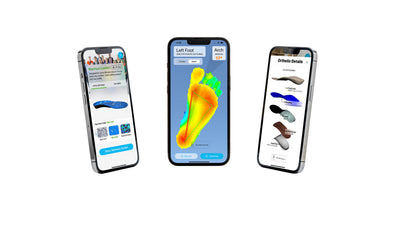
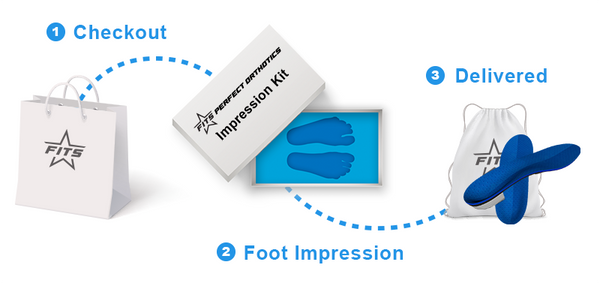
For everyday shoes, Maximum Comfort orthotics are designed for casual and sneaker-style shoes. You can order by scanning your feet with your iPhone in the Fits Perfect app, or with a mail-in foam impression box if you don't have an iPhone.
When to see a podiatrist
See a podiatrist or doctor if your heel pain is severe, started after an injury, comes with swelling or numbness, or hasn't improved after a few weeks of home care. They can confirm whether a spur or another problem is causing your pain.
Frequently asked questions
Can massage get rid of a heel spur?
No. Massage can ease pain and tension in the surrounding tissue, but it doesn't remove the bone growth.
How often should I massage a heel spur?
Five to ten minutes once or twice a day is a good starting point. Gentle and regular works better than intense.
Is ice or heat better for heel spurs?
Ice is usually preferred when the heel is sore or inflamed. Some people find gentle warmth helps with stiffness; use whichever feels better.
Do orthotics help heel spurs?
They can help by cushioning the heel and supporting the arch, which reduces strain on the area.


