



Ask any chef, line cook, or server about their feet, and you'll probably hear about the pain. Restaurant work combines long shifts, hard tile or concrete floors, constant movement, and surfaces that can be wet or greasy. Many kitchen workers are on their feet for 10 hours or more with barely a break. Over time, that can lead to heel pain, aching arches, swollen feet, and back pain.
This guide covers why restaurant work is so tough on your feet, the most common problems, how to choose kitchen footwear, and how orthotics can help you get through long shifts.
Why restaurant work is hard on your feet
- Long shifts: Double shifts and long services are common, often with few chances to sit.
- Hard floors: Commercial kitchens usually have tile or concrete floors that don't absorb impact.
- Standing in one spot: Line cooks and prep cooks may stand at a station for hours.
- Constant movement: Servers and runners walk long distances during a shift.
- Slippery surfaces: Spills and grease mean you need grip, and bracing against slipping adds strain.
- Heat: Hot kitchens can make feet swell and sweat.
Common foot problems in restaurant workers
- Plantar fasciitis and heel pain from long hours on hard floors.
- Foot fatigue and aching arches.
- Swollen feet and ankles, especially in hot kitchens.
- Pain in the ball of the foot.
- Blisters and calluses from sweaty feet and long shifts.
- Lower back, knee, and hip pain linked to standing and how the feet support the body.
Choosing kitchen footwear
The right shoes make a big difference:
- Slip-resistant soles are essential on wet or greasy floors.
- Good cushioning to absorb impact on hard floors.
- Arch support, or a removable insole so you can add an orthotic.
- A protective, easy-to-clean upper that guards against spills.
- A roomy toe box so your toes aren't cramped during long shifts.
- A secure fit so your foot doesn't slide around.
Kitchen clogs, slip-resistant work sneakers, and supportive work shoes are all popular choices. Whatever you choose, make sure it fits properly and has room for an orthotic, and replace your shoes when the soles or cushioning wear out.
How orthotics help kitchen workers
Standing for hours on hard floors puts constant load on your arches and heels. Orthotics help by:
- Supporting the arch so it doesn't sag as the shift goes on.
- Spreading pressure across your whole foot.
- Cushioning impact from hard tile and concrete.
- Improving alignment, which can reduce strain on the knees, hips, and lower back.
- Reducing fatigue so you're less worn out at the end of service.
Because custom orthotics are made from the shape of your own feet, the support fits your arch. For kitchen sneakers and work shoes, Maximum Comfort is designed for all-day standing and walking. If you wear heavier work boots, Heavy Duty Comfort is built for them. Every style is $249 with free shipping, and you may be eligible for HSA or FSA reimbursement, so check with your plan provider.
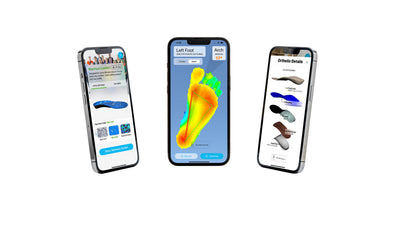
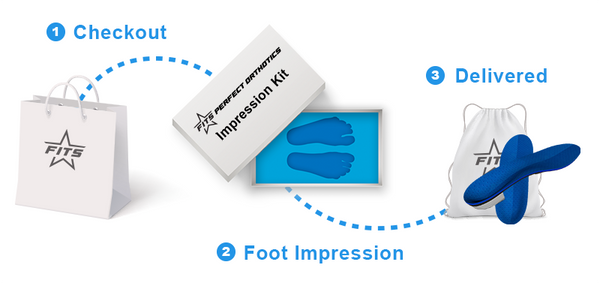
To order, scan your feet with your iPhone in the Fits Perfect app, a fast, simple, and accurate 3D scan, or use the mail-in foam impression box if you don't have an iPhone. Browse the work and comfort range.
Habits that help during service
- Use anti-fatigue mats at your station if your kitchen has them.
- Shift your weight and change position during slower moments.
- Stretch your calves before service and on breaks.
- Sit down on breaks, even briefly, and take weight off your feet.
- Stay hydrated, especially in a hot kitchen.
- Change socks mid-shift on long days if your feet get sweaty.
Line cooks, servers, and dishwashers
Different restaurant roles stress the feet differently. Line and prep cooks often stand at one station for hours, so pressure builds under the heels and arches, and anti-fatigue mats and arch support help most. Servers, bussers, and runners cover long distances during a shift, often while carrying heavy trays, so cushioning and a secure fit matter most. Dishwashers stand on floors that are frequently wet, so slip resistance and water-resistant shoes are especially important. Whatever your role, supportive shoes with orthotics and a few minutes of stretching can make long shifts more manageable.
Socks and foot hygiene
Hot kitchens mean sweaty feet, which can lead to blisters, odor, and fungal infections. Wear moisture-wicking socks, change them if they get damp, and let your shoes dry fully between shifts. Rotating between two pairs of work shoes helps. Wash and dry your feet thoroughly after work, especially between the toes.
After-shift recovery
- Elevate your feet for 15 to 20 minutes to reduce swelling.
- Stretch your calves and arches.
- Roll your arches over a tennis ball or frozen water bottle.
- Ice sore heels if needed.
For more on long days on your feet, see surviving the 9-to-5 on your feet and do orthotic insoles help with heel pain?
When to see a podiatrist
See a podiatrist if you have foot pain that doesn't improve with better shoes and rest, heel pain that lasts more than a few weeks, persistent swelling, numbness, or signs of infection such as redness, warmth, or a wound that won't heal.
Frequently asked questions
What are the best insoles for chefs?
Orthotics made from your foot shape that fit your kitchen shoes, such as Maximum Comfort for work sneakers and clogs with removable insoles.
How can chefs stop foot pain?
Supportive slip-resistant shoes, orthotics, anti-fatigue mats, stretching, and elevating feet after shifts.
Do orthotics fit in kitchen clogs?
Many clogs with a removable footbed can fit an orthotic. Check the fit with your shoes.
Can orthotics help back pain from standing in a kitchen?
Better foot support can improve alignment, which may ease strain on the lower back.


