




Police officers and security guards spend long shifts on their feet. Foot patrols, traffic duty, standing posts, crowd control, and responding to calls all happen in duty boots, usually while carrying a heavy belt and gear. On top of that, officers often need to move fast, chase, climb, or stand still for hours. That combination puts the feet, knees, and lower back under constant strain, and foot pain is a common complaint in law enforcement and security work.
This guide covers why the job is so hard on your feet, common problems officers face, how to choose duty boots, and how orthotics can help.
Why police and security work is hard on your feet
- Long shifts, often 10 to 12 hours, with overtime and back-to-back shifts.
- Heavy duty gear: A loaded duty belt and vest add weight with every step.
- Standing posts: Hours standing in one place at events, entrances, or traffic points.
- Hard surfaces: Concrete, pavement, and hard indoor floors.
- Sudden movement: Running, jumping, and quick changes of direction when responding.
- Duty boots that may prioritize durability and protection over support.
Common foot problems
- Plantar fasciitis and heel pain from long hours on hard ground.
- Foot fatigue and aching arches.
- Pain in the ball of the foot.
- Blisters from boots and long patrols.
- Ankle sprains from uneven ground or sudden movement.
- Knee, hip, and lower back pain, which can be linked to how your feet support the extra weight of gear.
Choosing duty boots
- Proper fit: Snug heel, room for toes, and no pressure points. Try boots on with your duty socks and orthotics.
- A removable insole so you can add an orthotic.
- Ankle support, especially if you work on uneven terrain.
- Slip-resistant soles for wet and varied surfaces.
- A reasonable weight: Lighter boots can reduce fatigue over a shift.
- Breathability to reduce sweat and blisters.
- Department requirements for style and safety features.
Break in new boots well before wearing them for a full shift, and replace them when the soles or support wear out.
How orthotics help officers
Duty boots protect your feet, but most come with basic insoles. Orthotics add support that helps your feet handle long shifts and extra weight:
- Arch support to reduce strain from standing and carrying gear.
- Pressure distribution, taking load off the heel and ball of the foot.
- Shock absorption on hard surfaces.
- Heel stability inside the boot.
- Better alignment, which can ease strain on the knees and lower back.
Because custom orthotics are made from the shape of your own feet, the support fits your arch. The Heavy Duty Comfort orthotic is designed for heavy boots and long, demanding shifts. For lighter tactical shoes or sneakers, Maximum Comfort is built for all-day standing and walking. Every style is $249 with free shipping, and you may be eligible for HSA or FSA reimbursement, so check with your plan provider.
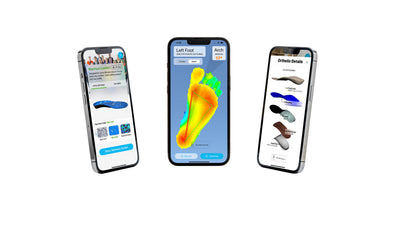
To order, scan your feet with your iPhone in the Fits Perfect app, a fast, simple, and accurate 3D scan, or use the mail-in foam impression box if you don't have an iPhone.
Patrol, posts, and corrections
Different assignments load your feet in different ways. Foot and bike patrol officers cover long distances and need cushioning and support for constant walking. Officers on traffic duty, event security, or fixed posts stand for hours in one place, where pressure builds under the heels and arches and regular weight shifting helps most. Corrections officers often walk hard concrete corridors for entire shifts and climb stairs repeatedly. Private security guards may alternate between standing at an entrance and walking rounds. Thinking about how your shift is actually spent helps you choose the right boots and support.
Training and fitness tests
Academy training, fitness tests, and ongoing physical training add running, jumping, and drills on top of regular duty. Increase training gradually, wear proper running shoes for runs rather than duty boots, and use supportive orthotics in both. Strengthening your calves, feet, and ankles helps protect against sprains and overuse injuries when you need to move quickly on the job.
Habits that help on shift
- Shift your weight and move when you're on a standing post.
- Stretch your calves before and during shifts.
- Wear moisture-wicking socks and bring a spare pair.
- Stay hydrated, which can help with swelling.
- Loosen your boots slightly during breaks if your feet swell.
- Keep up fitness, including strength and balance work for your feet and ankles.
After-shift recovery
- Take your boots off and let your feet breathe.
- Elevate your feet for 15 to 20 minutes.
- Stretch your calves and arches.
- Roll your arches over a tennis ball or frozen water bottle.
- Dry your boots at room temperature.
For more on long shifts in boots, see orthotics for construction workers and surviving the 9-to-5 on your feet.
When to see a podiatrist
See a podiatrist if foot pain persists despite better boots and support, if heel pain lasts more than a few weeks, or if you have swelling, numbness, or an injury on duty.
Frequently asked questions
What are the best insoles for police boots?
Firm, supportive orthotics made from your foot shape, such as Heavy Duty Comfort for duty boots.
How can officers reduce foot pain on long shifts?
Well-fitting boots, orthotics, regular movement, stretching, and good recovery after shifts.
Can orthotics help back pain from wearing a duty belt?
Better foot support can improve alignment, which may ease some strain on the lower back.
Do orthotics fit in tactical boots?
Most tactical and duty boots with a removable insole can fit an orthotic.


