



Orthotics are devices worn inside your shoes to support, align, and cushion your feet. They're used for a wide range of reasons, from easing foot pain caused by conditions like plantar fasciitis, flat feet, and overpronation, to making long days on your feet more comfortable. If you're new to orthotics, this guide explains what they are, the different types available, how they work, and the benefits they can offer.
What are orthotics?
An orthotic is a shaped insert that sits inside your shoe, usually in place of the shoe's original insole. Unlike a simple cushioned insole, an orthotic is designed to support the structure of your foot and influence how it moves. A good orthotic supports the arch, cradles the heel, and spreads pressure more evenly across the foot.
Types of orthotics
Custom-made vs. prefabricated
- Custom-made orthotics are made from a model of your own feet, so they match your foot shape and arch profile.
- Prefabricated orthotics are mass-produced in standard sizes. They're cheaper but built for an average foot.
For a full comparison, see custom-made orthotics vs. over-the-counter insoles.
By firmness
- Rigid orthotics are firm and designed mainly to control foot motion.
- Semi-rigid orthotics balance support and flexibility, and are common for sport and everyday wear.
- Soft orthotics focus on cushioning and pressure relief, often used for sensitive feet.
By use
Orthotics are also designed for specific shoes and activities, such as running shoes, court shoes, work boots, and slim dress shoes. Fits Perfect's styles are covered in different types of custom orthotics.
How orthotics work
Orthotics work by changing how your foot interacts with the ground and your shoe:
- Supporting the arch so it doesn't collapse excessively under load.
- Redistributing pressure away from painful, high-load areas like the heel and ball of the foot.
- Controlling motion, such as excessive inward rolling (overpronation) or outward rolling (supination).
- Cushioning impact during walking and running.
- Improving alignment through the ankles, knees, and hips.
The benefits of orthotics
Pain relief
Orthotics can help ease pain from conditions such as plantar fasciitis and heel spurs. By redistributing pressure on the feet, they reduce strain on painful areas.
Better alignment and posture
By supporting the feet and controlling excess motion, orthotics can improve alignment in the feet and legs, which may reduce strain on the knees, hips, and lower back.
More comfort
Orthotics can make standing, walking, and running more comfortable, especially for people who spend a lot of time on their feet.
Support for athletes
Athletes, especially runners, use orthotics for support and alignment that help them train more comfortably and reduce strain related to foot mechanics.
Stability and balance
A well-fitted orthotic gives your foot a stable base inside the shoe, which can help with balance, an important consideration for older adults.
Tailored to your needs
Custom-made orthotics are created from a 3D model of your feet and can be tailored to your shoes and activities, providing better support and comfort than over-the-counter options.
Who uses orthotics?
- People with foot pain or conditions such as plantar fasciitis, flat feet, or high arches.
- Runners and athletes.
- People who stand or walk for work.
- Older adults whose feet have changed with age.
- People with knee, hip, or back pain linked to foot mechanics.
See who benefits the most from custom orthotic insoles?
How to get custom orthotics
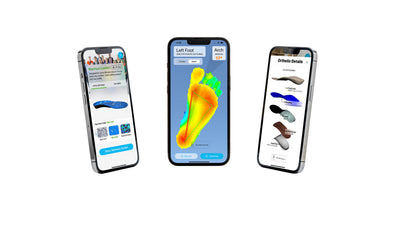
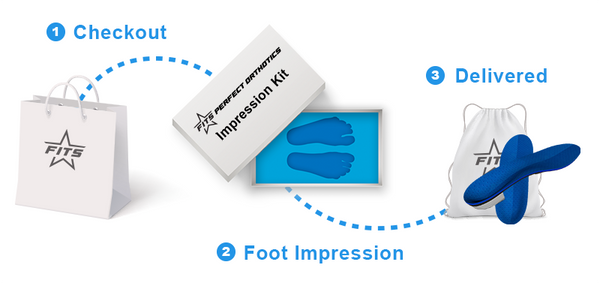
With Fits Perfect, you scan your feet with your iPhone in the Fits Perfect app, a fast, simple, and accurate 3D scan. If you don't have an iPhone, a mail-in foam impression box is available. Choose a style for the shoes you wear most, such as Maximum Comfort for everyday shoes.
Tips for wearing orthotics
- Break them in gradually. Start with an hour or two a day and build up over one to two weeks.
- Remove the shoe's original insole so the orthotic sits flat and the shoe isn't too tight.
- Match the orthotic to the shoe. A slim orthotic suits dress shoes; a fuller one suits sneakers and boots.
- Wear them consistently in the shoes you use most for the best results.
- Keep them clean by wiping them down and letting them air dry.
What orthotics can't do
Orthotics support your feet while you wear them, but they don't permanently change your foot structure or cure conditions on their own. They work best alongside supportive footwear, stretching, strengthening, and medical care when needed. If you have severe pain, swelling, numbness, diabetes, or an injury, see a podiatrist or doctor first.
Conclusion
Orthotics are inserts that support, align, and cushion your feet. They can help ease foot, leg, knee, and back discomfort, improve alignment and comfort, support athletes, and help with balance. Custom-made orthotics take this further by matching the shape of your own feet.
Frequently asked questions
What is the difference between orthotics and insoles?
Insoles mainly cushion. Orthotics are designed to support the foot's structure and influence how it moves.
Do I need a prescription for orthotics?
Not to order custom orthotics from Fits Perfect.
How long do orthotics last?
Custom orthotics are designed for daily use over a long period, depending on activity and wear.
Can I wear orthotics in any shoe?
Most shoes with a removable insole work. Different styles suit sneakers, dress shoes, and work boots.


