



Custom-made orthotics are shoe inserts tailored to the unique shape and needs of your feet. They can help with foot pain, joint discomfort, and fatigue, but how do you know whether they'd actually help you? This article gives you a simple checklist to work through, explains the main benefits of custom orthotic insoles, and covers when you should see a podiatrist before trying them.
A quick self-check: could custom orthotics help you?
Read through the statements below. The more that apply to you, the more likely it is that custom orthotics could help.
- My heels or arches hurt, especially in the morning or after sitting.
- My feet ache or feel tired after a few hours of standing or walking.
- I have flat feet or very high arches.
- My shoes wear down unevenly, more on the inside or outside edge.
- I get knee, hip, or lower back discomfort that's worse after time on my feet.
- I've tried store-bought insoles and they haven't helped, or they flatten quickly.
- I stand or walk for most of my workday.
- I run or play sports and keep getting foot or leg pain.
- One of my feet is noticeably different from the other.
- I've had a foot or ankle injury that still bothers me.
If several of these sound familiar, custom orthotics are worth considering. For a deeper look at the warning signs, read how to tell if you need orthotics.
The main benefits of custom orthotic insoles
Targeted support where you need it
One of the biggest benefits of custom orthotics is that they support the specific areas of your foot that need it most, such as the arch or heel. Because they're built from your own foot shape, the support lines up with your arch instead of sitting in a generic position.
Better pressure distribution
Custom orthotics spread your weight and pressure more evenly across the foot. That takes load off painful areas and can ease discomfort from conditions like plantar fasciitis and heel spurs.
Improved foot function
Orthotics can help manage movement patterns like overpronation, where the foot rolls too far inward, or supination, where it rolls outward. Supporting better alignment can reduce strain on the ankles, knees, and hips over time. Learn more about outward rolling in correct your supination.
Balance and stability
A well-fitted orthotic gives your foot a stable base inside the shoe, which can improve balance and stability. That's useful for athletes and anyone who does high-impact activities, and for older adults who want to feel steadier on their feet.
Durability
Custom orthotics are made from higher-quality, firmer materials designed to last. Unlike soft store-bought insoles that flatten quickly, they keep their shape with daily use, which means less frequent replacement.
Comfort for long days
Many people simply find their feet feel less tired by the end of the day, which makes work, exercise, and everyday activities more comfortable.
What custom orthotics can't do
It's worth being realistic. Custom orthotics support your feet while you wear them, but they don't permanently reshape your feet, reverse bunions, or cure conditions on their own. They work best alongside good footwear, stretching, strengthening, and, when needed, professional treatment.
Who should see a podiatrist first
See a podiatrist or doctor before relying on orthotics if you:
- Have sudden, severe pain or pain after an injury.
- Have swelling, redness, or warmth in the foot.
- Have numbness, tingling, or burning in your feet.
- Have diabetes or circulation problems.
- Have pain that hasn't improved after a few weeks of rest and supportive shoes.
How to get custom orthotics
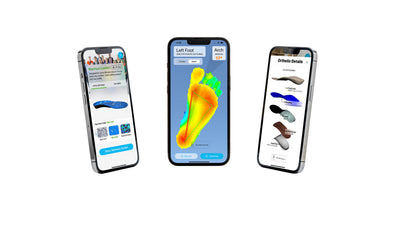
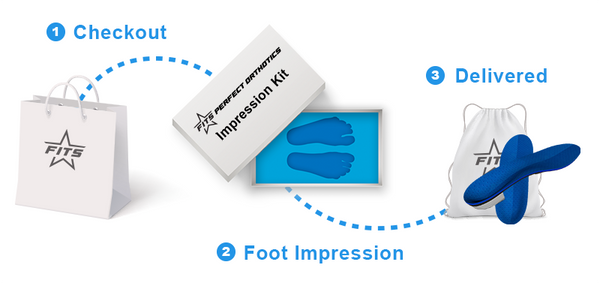
Getting custom orthotics from Fits Perfect is simple. You scan your feet with your iPhone in the Fits Perfect app, a fast, simple, and accurate 3D scan. If you don't have an iPhone, a mail-in foam impression box is available. There's no office visit needed to order.
Choose a style that matches the shoes you wear most: Maximum Comfort for casual shoes and sneakers, work and comfort styles for long shifts, or the sport and running range for training. All styles are $249.
Getting the most from your orthotics
- Break them in gradually over one to two weeks.
- Remove the shoe's original insole so the orthotic sits flat.
- Wear them consistently in the shoes you use most.
- Pair them with stretching and supportive footwear.
Conclusion
If you deal with foot pain, tired feet, or discomfort that seems linked to the way you stand and move, custom orthotic insoles could help. They provide targeted support, spread pressure more evenly, improve foot function and stability, and last longer than generic insoles. Use the checklist above as a starting point, and see a podiatrist first if your symptoms are severe or unusual.
Frequently asked questions
How do I know if I need custom orthotics?
Ongoing heel or arch pain, tired feet, uneven shoe wear, and flat feet or high arches are common signs.
Can anyone wear custom orthotics?
Most people can. If you have a medical condition such as diabetes, check with a podiatrist first.
Are custom orthotics worth the cost?
For ongoing foot problems, many people find they are, because they're built for your feet and last longer than store-bought insoles.
How long do custom orthotics take to work?
Many people notice a difference within a few weeks of consistent wear.


