



Custom orthotic insoles are a popular way to deal with foot pain and discomfort. But who benefits the most from them? While many people find orthotics more comfortable, some groups tend to see the biggest difference. In this article, we'll look at each of those groups and how custom orthotics help them: people with foot conditions, athletes and active people, older adults, people who stand or walk for work, and a few others.
1. People with foot conditions
People with foot conditions such as plantar fasciitis, flat feet, high arches, heel spurs, and overpronation are among those who benefit most from custom orthotics. Orthotics provide targeted support that eases pain in the affected areas and help manage the foot mechanics that contribute to these problems.
- Plantar fasciitis: Arch support and heel cushioning reduce tension on the plantar fascia.
- Flat feet and overpronation: Firm arch support helps control the inward roll of the foot.
- High arches: Filling in the arch spreads pressure that would otherwise focus on the heel and ball of the foot.
- Metatarsalgia: Pressure is shifted away from the ball of the foot.
See what conditions are custom orthotics used for? for a full list.
2. Athletes and active people
Running, jumping, and quick changes of direction put heavy, repeated loads on the feet. Custom orthotics provide arch support and cushioning that reduce strain, support better alignment, and help athletes train more comfortably. They can also address imbalances between the feet that affect performance.
Different sports call for different support, so many athletes choose a sport-specific orthotic, such as the Running, Court, or Golf orthotic. Read more in which athletes can benefit from wearing orthotics.
3. Older adults
Feet change with age. The natural fat pads under the heel and ball of the foot thin out, arches can lower, and conditions such as arthritis become more common. Custom orthotics can add support and cushioning that ease pain from many of these changes and help people stay comfortable and mobile. A stable, well-supported foot can also help with balance.
4. People who stand or walk all day for work
Whether you're a nurse, teacher, retail worker, chef, warehouse worker, or construction worker, standing or walking for long periods takes a toll on your feet. Long shifts on hard floors can lead to foot fatigue, heel pain, and discomfort in the knees and lower back. Custom orthotics provide support and cushioning that help reduce pain and improve comfort through the day.
For heavy work boots and steel-toe boots, the Heavy Duty Comfort orthotic is designed for the job. For sneaker-style work shoes, Maximum Comfort is a good fit. See our guide to custom orthotics for work.
5. People with diabetes
People with diabetes often need extra care for their feet, because reduced sensation and circulation can make pressure points and friction more of a concern. Orthotics designed to reduce friction and spread pressure can help. The Comfort Diabetic orthotic is made for daily use with this in mind. Anyone with diabetes should talk to their doctor or podiatrist about foot care.
6. People recovering from foot or leg injuries
After an injury, orthotics can support the foot as you return to normal activity and help reduce strain on healing tissues. Always follow your doctor's or physical therapist's guidance during recovery.
7. People whose store-bought insoles haven't worked
If you've tried several over-the-counter insoles and they either don't help or flatten quickly, custom orthotics are often the next step. Because they're shaped to your feet and made from durable materials, they can succeed where generic insoles fall short.
Who might not need custom orthotics?
If you have no foot pain, no history of foot problems, and your feet feel comfortable in your everyday shoes, you may not need orthotics. Good, supportive footwear may be enough. Orthotics are most helpful when there's a specific problem or a demand, such as sport or work, that puts extra load on your feet.
How to get started
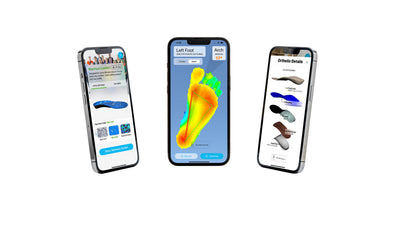
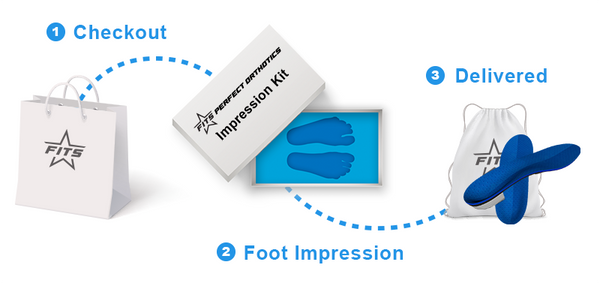
With Fits Perfect, you order custom orthotics by scanning your feet with your iPhone in the Fits Perfect app, a fast, simple, and accurate 3D scan. If you don't have an iPhone, you can use the mail-in foam impression box. Choose the style that matches your shoes and activities.
When to see a podiatrist
If you have severe pain, swelling, numbness, diabetes, or pain after an injury, see a podiatrist or doctor before relying on orthotics.
Conclusion
Custom orthotics can benefit many people, but those who tend to gain the most are people with foot conditions, athletes, older adults, people who stand or walk for work, and people with diabetes. If you're in one of these groups and dealing with foot pain or discomfort, a pair of custom-made orthotics is worth considering.
Frequently asked questions
Who should wear custom orthotics?
People with foot pain or conditions, athletes, older adults, and people who stand for long periods often benefit most.
Do I need orthotics if my feet don't hurt?
Not necessarily. Supportive shoes may be enough if you have no symptoms.
Can older adults wear custom orthotics?
Yes. Orthotics can add cushioning and support as feet change with age.
Are orthotics good for standing all day?
Yes. They help spread pressure and reduce fatigue during long shifts.


