



A bunion is one of the most recognizable foot problems: a bony bump on the side of the foot at the base of the big toe. Bunions can be painful, make shoes uncomfortable, and tend to get worse over time. If you have one, you've probably wondered whether orthotics can help. The honest answer is that orthotics can't reverse a bunion, but they can help relieve pressure and pain, and may help reduce the strain that contributes to it.
This article explains what bunions are, what orthotics can and can't do, and the other steps that make the biggest difference.
What is a bunion?
A bunion, known medically as hallux valgus, develops when the big toe gradually angles toward the second toe. As it does, the joint at the base of the big toe pushes outward, creating the bump. Over time, the joint can become stiff, swollen, and painful, and the skin over the bump can become red and irritated from rubbing against shoes.
A smaller version can also form on the outside of the foot at the base of the little toe, called a bunionette or tailor's bunion.
What causes bunions?
Bunions develop from a combination of factors:
- Inherited foot structure plays a big role. Bunions often run in families.
- Foot mechanics, such as flat feet and overpronation, can shift pressure toward the big toe joint.
- Tight, narrow, or pointed shoes, and high heels, push the toes together and add pressure to the joint.
- Arthritis and some other conditions can contribute.
Shoes don't usually cause bunions on their own, but they can speed up their development and make them more painful.
Common bunion symptoms
- A visible bump at the base of the big toe.
- Pain or soreness around the joint, especially in shoes.
- Redness, swelling, or a burning feeling over the bump.
- Stiffness or reduced movement in the big toe.
- Corns or calluses where the toes overlap or rub.
- Pain in the ball of the foot, as pressure shifts to other toes.
What orthotics can do for bunions
- Reduce pressure on the joint: By improving how weight moves through the foot, orthotics can take some load off the big toe joint.
- Manage overpronation: If your foot rolls inward, extra pressure lands on the inside of the foot and big toe. Arch support helps control that inward roll.
- Ease forefoot pain: Spreading pressure more evenly can relieve pain in the ball of the foot that often comes with bunions.
- Make walking more comfortable: Better support can make everyday activity easier.
Some evidence suggests that controlling foot mechanics may help reduce the strain that contributes to a bunion getting worse, though results vary from person to person.
What orthotics can't do
Orthotics can't straighten the big toe, shrink the bump, or reverse the changes in the joint. Once a bunion has formed, the bone alignment stays the same unless it's corrected surgically. Orthotics are about comfort, pressure relief, and managing the forces on your foot.
Footwear matters most
For many people, changing shoes makes the biggest single difference to bunion pain:
- Choose a wide, deep toe box so your toes aren't squeezed.
- Avoid pointed toes that push the big toe inward.
- Limit high heels, which push your weight forward onto the toes.
- Look for soft, flexible uppers that don't press on the bump.
- Shop later in the day, when feet are slightly larger, and make sure there's room for an orthotic.
Other ways to ease bunion pain
- Ice the joint for 10 to 15 minutes after a long day.
- Toe stretches: Gently pull the big toe into a straighter position and hold for 20 seconds.
- Toe spreads: Practice spreading your toes apart to keep them mobile.
- Big toe range of motion: Gently move the big toe up and down to reduce stiffness.
- Maintain a healthy weight to reduce load on your feet.
Choosing orthotics with a bunion
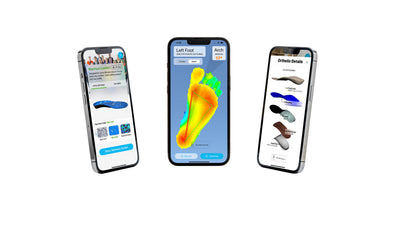
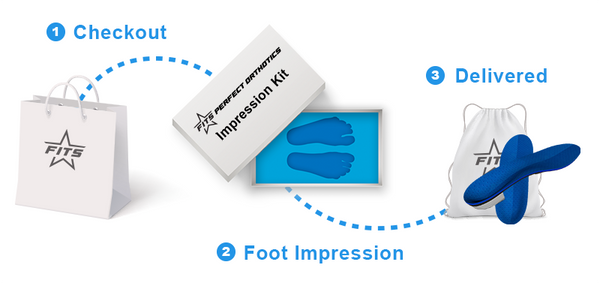
Look for orthotics with good arch support that fit comfortably in shoes with a roomy toe box. Custom orthotics are made from the shape of your own feet, so they account for your foot shape rather than an average one. For everyday shoes, Maximum Comfort is designed for all-day wear. Every style is $249 with free shipping. To order, scan your feet with your iPhone in the Fits Perfect app, a fast, simple, and accurate 3D scan, or use the mail-in foam impression box if you don't have an iPhone.
Bunions often appear alongside other forefoot problems. See exercises and treatments for hammer toe and do you have metatarsalgia?
When is surgery considered?
Surgery is usually only considered when a bunion causes significant pain that doesn't improve with footwear changes, orthotics, and other conservative care, or when it makes everyday walking difficult. It isn't recommended for cosmetic reasons alone. A podiatrist or foot and ankle surgeon can explain the options.
When to see a podiatrist
See a podiatrist if your bunion is painful, getting worse, limiting your big toe's movement, or making it hard to find comfortable shoes. If you have diabetes or circulation problems, have any redness or sores over the bump checked promptly.
Frequently asked questions
Can orthotics get rid of bunions?
No. They can't reverse a bunion, but they can ease pressure and pain.
Can orthotics stop a bunion getting worse?
They may help reduce the strain that contributes to it, especially if you overpronate, though results vary.
What shoes are best for bunions?
Shoes with a wide, deep toe box, a low heel, and soft uppers.
Do bunions always need surgery?
No. Many people manage bunions well with footwear changes, orthotics, and other conservative care.


