




Training for a marathon is a huge commitment, and your feet do a lot of the work. Over a typical training plan, you might run several hundred miles, with long runs that keep your feet pounding the pavement for hours. Blisters, black toenails, heel pain, and overuse injuries are common, and any of them can derail months of preparation. Taking care of your feet is as important as following your training plan.
This guide covers the foot problems marathoners face, how to prevent them, how to choose shoes, and how to use orthotics during training and on race day.
Common foot problems in marathon training
- Blisters from friction, heat, and moisture on long runs.
- Black toenails from toes repeatedly hitting the front of the shoe.
- Plantar fasciitis and heel pain from high mileage.
- Metatarsalgia, pain in the ball of the foot.
- Stress fractures from increasing mileage too fast.
- Achilles tendonitis from repeated push-off and hill work.
- Shin splints early in a training block.
Build mileage gradually
Most overuse injuries in marathon training come from doing too much too soon. Follow a structured plan, increase weekly mileage gradually, and include recovery weeks where you cut back. Listen to early warning signs, such as pain that's focused in one spot or gets worse during a run, and back off rather than pushing through. For more on bone stress, see stress fractures in the foot.
Choosing your marathon shoes
- Get the size right: Your feet swell during long runs. Many runners need a thumb's width of space at the toes.
- Choose for your feet and stride, not just looks or what others wear.
- Make sure there's room for your orthotics, with a removable insole.
- Rotate two pairs if possible, so each dries out and wears more evenly.
- Track mileage and replace shoes when the cushioning wears down.
- Don't race in new shoes. Do your long runs in the shoes you'll wear on race day.
Preventing blisters
- Wear moisture-wicking running socks, never cotton.
- Make sure socks fit smoothly without bunching.
- Lace shoes securely so your foot doesn't slide.
- Protect known hot spots with tape or a blister bandage before long runs.
- Keep feet dry and change socks after wet runs.
Preventing black toenails
- Make sure your shoes are long enough.
- Use a heel-lock lacing technique to stop your foot sliding forward, especially on downhills.
- Keep toenails trimmed short and straight across.
How orthotics help marathon runners
Over hundreds of training miles, small foot mechanics issues add up. Orthotics can help by:
- Supporting the arch through long runs, reducing fatigue late in the run.
- Controlling overpronation, which can strain the shins, knees, and Achilles.
- Redistributing pressure, easing load on the heel and forefoot.
- Reducing sliding, which can help with blisters and toenail problems.
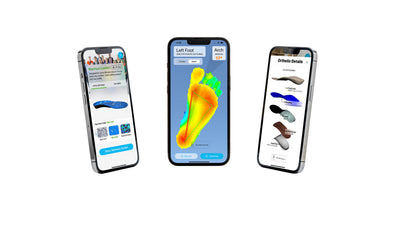
Because custom orthotics are made from the shape of your own feet, the support fits your arch. The Running orthotic is designed for sneakers and running shoes, with forward-moving support. It's $249 with free shipping. To order, scan your feet with your iPhone in the Fits Perfect app, a fast, simple, and accurate 3D scan, or use the mail-in foam impression box if you don't have an iPhone.
Timing: when to start using orthotics
Don't introduce new orthotics close to race day. Start wearing them early in your training block, ideally months before the race. Break them in with walking and easy runs first, then gradually use them on longer runs. By race day, your orthotics should feel completely familiar. Scan intake and manufacturing take 1-2 business days, followed by 5-7 days of shipping, so plan ahead.
Strength work for marathon feet
Strong feet and lower legs handle high mileage better. Two or three short sessions a week make a difference. Calf raises, done slowly and progressing to single-leg, build the calves and Achilles. The short foot exercise, lifting the arch without curling the toes, strengthens the small muscles that support the arch. Single-leg balance improves stability, and hip exercises like glute bridges and side-lying leg lifts help keep the knees aligned late in long runs when form starts to fade. Pair strength work with daily calf stretching and rolling the arch.
Race day foot tips
- Nothing new on race day: Wear the shoes, socks, and orthotics you've trained in.
- Trim toenails a few days before, not the night before.
- Tape or protect hot spots you know about.
- Lace carefully, snug but not tight, allowing for swelling.
- Have dry socks and comfortable shoes for after the finish.
Recovery after long runs and the race
- Elevate your feet to help with swelling.
- Stretch your calves and roll your arches.
- Check your feet for blisters and toenail problems.
- Wear supportive shoes rather than going barefoot while you recover.
- Take easy days seriously, especially after the marathon.
For more running guidance, see best custom orthotic insoles for running and how to prevent and treat foot blisters.
When to see a professional
See a sports physician, podiatrist, or physical therapist if you have pain that's focused in one spot, gets worse during runs, lasts for days, or comes with swelling. Catching problems early can save your training block.
Frequently asked questions
Should I run a marathon in orthotics?
Yes, if you've trained in them. Don't introduce new orthotics close to race day.
How do I prevent black toenails in marathon training?
Wear shoes with enough length, lock your heel with lacing, and keep toenails trimmed.
When should I start using orthotics before a marathon?
Early in your training block, ideally months before the race.
How often should marathon shoes be replaced?
When the cushioning wears down. Tracking mileage helps you know when.


