




When the weather turns cold, most of us switch to winter boots for warmth, waterproofing, and grip. The trouble is that many winter boots are built for insulation first and support second. They often have thick, soft linings, flat insoles, and little arch support. Spend a whole winter in them, especially if you walk a lot or stand at work, and your feet, knees, and back can start to complain.
This guide explains why winter boots can be hard on your feet, what to look for when buying, how to get the fit right, and how orthotics can add the support many boots lack.
Why winter boots can cause foot pain
- Flat, soft insoles: Many boots have padded but flat footbeds that don't support the arch.
- Loose fit: Boots are often bought roomy to fit thick socks, which can let the foot slide around.
- Heavy weight: Heavier boots make your legs and feet work harder with every step.
- Stiff soles: Some boots are very rigid, which changes how you walk.
- Walking on uneven, slippery ground: Snow and ice make your feet and ankles work harder to stay stable.
- More time in the same footwear: In winter, many people wear one pair of boots all day.
If you have plantar fasciitis, flat feet, high arches, or other foot problems, unsupportive boots can make symptoms flare up over the winter.
What to look for in winter boots
- A removable insole: This is key if you want to add an orthotic.
- Enough depth: The boot should have room for an orthotic and your winter socks without squeezing your foot.
- A firm heel counter: The back of the boot should hold your heel securely.
- Good traction: Deep lugs and slip-resistant soles help on snow and ice.
- Waterproofing: Wet feet get cold quickly and are more prone to blisters.
- A secure closure: Laces or adjustable straps let you lock your foot in place.
- Reasonable weight: Lighter boots are easier on your legs for everyday wear.
How to fit winter boots
- Try them on with your winter socks and your orthotics.
- Shop later in the day, when feet are slightly larger.
- Check toe room: You should be able to wiggle your toes, with about a thumb's width at the front.
- Check your heel: It shouldn't lift much as you walk.
- Walk around, including on a slope if possible.
- Avoid going too big: Extra room for warmth can lead to sliding and blisters. Fill space with the right socks and support, not extra boot size.
How orthotics help in winter boots
Adding a supportive orthotic to your winter boots can make a big difference:
- Arch support that most boot insoles lack.
- Better heel stability inside the boot.
- Less sliding, which reduces friction and blisters.
- More even pressure distribution for long walks and long days.
- A more stable base on uneven, slippery ground.
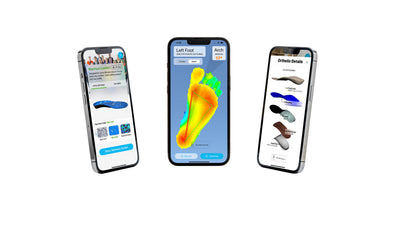
Because custom orthotics are made from the shape of your own feet, they fit your arch. The Heavy Duty Comfort orthotic is designed for heavy boots, including work boots, hiking boots, and winter boots. It's $249 with free shipping. To order, scan your feet with your iPhone in the Fits Perfect app, a fast, simple, and accurate 3D scan, or use the mail-in foam impression box if you don't have an iPhone. Scan intake and manufacturing take 1-2 business days, followed by 5-7 days of shipping.
Winter foot care tips
- Wear moisture-wicking socks made from wool blends or synthetics, not cotton, which holds moisture and gets cold.
- Keep feet dry. Change damp socks, and dry your boots fully between wears.
- Don't dry boots on direct heat, which can damage them and warp orthotics. Air dry at room temperature.
- Moisturize dry winter skin, but not between the toes.
- Check your feet for blisters and cold damage, especially if you have reduced sensation.
- Rotate footwear if you can, so each pair dries out.
Winter boots for work and commuting
If you commute on foot or work outdoors in winter, your boots may be on your feet for ten hours or more. In that case, support matters even more than for occasional wear. Look for boots designed for all-day use, with a stable sole and room for an orthotic. If you change into indoor shoes at work, make those supportive too, and consider keeping a pair of orthotics in each. For outdoor jobs, insulated work boots with safety features may be required, and an orthotic made for heavy boots helps keep you comfortable through long, cold shifts.
Indoor shoes matter too
Many people spend winter evenings at home barefoot or in flat slippers. If your feet ache in winter, wearing supportive shoes or slippers indoors can help, especially on hard floors.
For more cold-weather tips, see orthotics for hiking boots and how long do custom orthotics last?
When to see a podiatrist
See a podiatrist if foot pain persists despite better boots and support, if you notice color changes, numbness, or sores, or if you have diabetes or circulation problems. Cold weather can be harder on feet with reduced circulation.
Frequently asked questions
Can you put orthotics in winter boots?
Yes, as long as the boot has a removable insole and enough room.
Why do my feet hurt in winter boots?
Flat insoles, a loose fit, heavy boots, and uneven ground can all contribute.
Should winter boots be a size bigger?
Only enough to fit your winter socks and orthotics comfortably. Too big can cause sliding and blisters.
What orthotic is best for winter boots?
A firm, supportive orthotic designed for boots, such as Heavy Duty Comfort.


