



Orthotics are meant to make your feet feel better, so it can be confusing and frustrating if your feet, knees, or back feel worse after you start wearing them. The honest answer is that orthotics can sometimes cause discomfort, especially at first. Most of the time, it's part of a normal adjustment period or a fixable fit issue. Occasionally, it's a sign that something needs a closer look.
This guide explains why orthotics can feel uncomfortable, how to tell normal break-in from a real problem, and what to do about it.
Why new orthotics can feel uncomfortable
If your feet have gone without arch support for years, your muscles, tendons, and joints have adapted to that. When an orthotic suddenly supports your arch and changes how pressure is spread across your foot, your body needs time to adjust. It's a bit like starting a new exercise: your body has to get used to working in a slightly different way.
Common adjustment sensations include:
- A firm or unfamiliar feeling under the arch.
- Mild aching in the feet that fades after you take the orthotics out.
- Some tiredness in the calves or lower legs.
- A sense that you're standing or walking slightly differently.
These usually ease over one to two weeks with gradual wear. See how to break in new orthotics for a day-by-day schedule.
Signs something isn't right
These are not normal and are worth addressing:
- Sharp or stabbing pain, rather than mild aching.
- Pain that gets worse over several days instead of better.
- Blisters, rubbing, or red pressure spots that don't fade.
- Numbness or tingling in your toes or feet.
- New knee, hip, or back pain that doesn't settle after the first week or two.
- Pain in a new area of the foot that you didn't have before.
Common causes and fixes
Doing too much too soon
Wearing new orthotics all day from day one, or using them straight away for running or sport, is the most common cause of discomfort. Fix: Start with one to two hours a day and build up gradually over one to two weeks before adding exercise.
Leaving the original insole in
Orthotics are designed to replace your shoe's insole. Leaving it in can make the shoe too tight, lift your heel, and change how the orthotic sits. Fix: Remove the original insole before inserting the orthotic.
The wrong shoes
Shoes that are too tight, too shallow, too loose, or worn out can make good orthotics feel bad. Fix: Use shoes with enough depth and room, a firm heel counter, and a removable insole. Replace worn-out shoes.
The wrong orthotic for the shoe
A full-length sport orthotic in a slim dress shoe, or a thin dress orthotic in a work boot, may not fit or support you properly. Fix: Match the orthotic style to the shoe, such as the slim Dress Shoe orthotic for dress shoes or Heavy Duty Comfort for boots.
Generic insoles that don't match your foot
Store-bought arch supports can put pressure in the wrong place if the arch doesn't line up with yours, which can cause new discomfort. Fix: Support shaped to your own feet is less likely to press in the wrong spot. See orthotics vs. arch supports.
Worn-out orthotics
Orthotics that have flattened, cracked, or worn unevenly may no longer support you properly. Fix: Check for wear and replace when needed. See how long do custom orthotics last?
Your feet have changed
Weight changes, injuries, pregnancy, or a new activity can change what your feet need. Fix: A fresh scan can capture those changes.
Can orthotics cause knee or back pain?
Because orthotics change how your feet move, they also affect the joints above. Most of the time, that's the goal: better foot support can improve alignment and ease strain. During the adjustment period, though, some people notice mild aches in the knees, hips, or lower back as their body adapts. This usually settles within a week or two. If it doesn't, or if the pain is significant, stop wearing the orthotics and get advice from a podiatrist or doctor.
What to do if orthotics hurt
- Check the basics: original insole removed, right shoe, right orthotic style.
- Scale back: go back to shorter periods of wear and build up more slowly.
- Rest for a day or two if you have sharp pain or a blister, then try again gradually.
- Look at your shoes and replace them if they're worn out or too tight.
- See a podiatrist if pain continues, gets worse, or you have numbness or tingling.
Getting the most from your orthotics
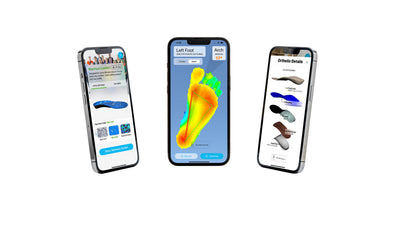
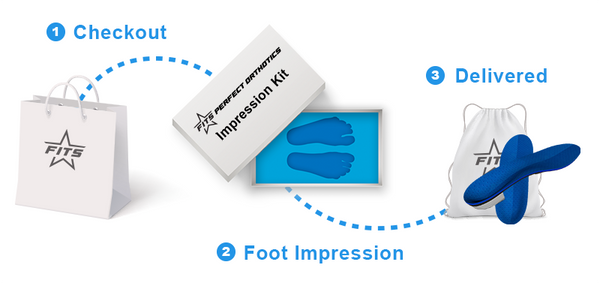
Custom orthotics made from the shape of your own feet are designed to support you where you need it. With Fits Perfect, you scan your feet with your iPhone in the Fits Perfect app, a fast, simple, and accurate 3D scan, or use the mail-in foam impression box if you don't have an iPhone. Every style is $249 with free shipping. For everyday shoes, Maximum Comfort is designed for all-day wear.
When to see a podiatrist
See a podiatrist if pain continues beyond the first couple of weeks, gets worse, or comes with numbness, tingling, swelling, or skin damage. If you have diabetes or reduced sensation in your feet, check your feet daily for marks when starting new orthotics, and talk to your care team before using them.
Frequently asked questions
Is it normal for orthotics to hurt at first?
Mild aching or awareness is normal during break-in. Sharp pain, blisters, or worsening pain are not.
How long does it take to get used to orthotics?
Most people adjust within one to two weeks of gradual wear.
Can orthotics cause knee pain?
Some people notice mild knee aches while adjusting. Pain that doesn't settle should be checked.
What should I do if my orthotics hurt?
Check the fit and shoes, scale back your wear time, and see a podiatrist if pain continues.


