



Shin splints are one of the most common complaints among runners, walkers, and people who suddenly increase their activity. The pain runs along the inside edge of the shin bone and can start as a dull ache after exercise before becoming sharp enough to stop you mid-run. The good news is that shin splints usually respond well to rest, sensible training changes, and better support for your feet.
This guide explains what causes shin splints, how orthotics help, how to get back to running safely, and when shin pain needs a closer look.
What are shin splints?
Shin splints, known medically as medial tibial stress syndrome, are pain and tenderness along the inner edge of the tibia, the large bone in your lower leg. They develop when the muscles, tendons, and bone tissue around the shin are overloaded and can't recover between sessions.
Typical symptoms include:
- Aching or sharp pain along the inner edge of the shin, often in the lower half.
- Pain that starts during exercise and may ease as you warm up, then return afterward.
- Tenderness when you press along the bone.
- Mild swelling in some cases.
What causes shin splints?
- Doing too much too soon: Sudden increases in distance, speed, or frequency are the most common trigger.
- Hard surfaces: Running on concrete or pavement increases impact.
- Overpronation and flat feet: When the foot rolls inward excessively, the muscles along the inner shin work harder to control it.
- Worn-out shoes that have lost their cushioning and support.
- Tight calves and weak hips, which change how load moves through the leg.
- Starting a new sport that involves running or jumping.
How orthotics help with shin splints
When your arch collapses and your foot rolls inward with every step, the muscles that attach along the inside of your shin have to work harder to control that motion. Over thousands of steps, that extra work adds up. Orthotics can help by:
- Supporting the arch so it doesn't collapse as far on landing.
- Controlling overpronation, reducing the strain on the muscles along the inner shin.
- Adding shock absorption to soften impact on hard surfaces.
- Improving alignment through the ankle and knee.
Custom orthotics are made from the shape of your own feet, so the support matches your arch. For more on how foot mechanics affect running, see overpronation: how to tell and how to fix it.
Relief for shin splints right now
- Rest from running or reduce your mileage significantly until the pain settles.
- Ice the shin for 10 to 15 minutes after activity.
- Cross-train with low-impact options like cycling or an elliptical to stay fit.
- Stretch your calves daily.
- Check your shoes and replace them if the cushioning is worn out.
A gradual return-to-running plan
Returning too quickly is the most common reason shin splints come back. A simple approach:
- Wait until you can walk briskly and hop gently on the affected leg without pain.
- Start with walk-run intervals, such as one minute running and two minutes walking, on a soft, flat surface.
- Run every other day at first to allow recovery.
- Increase gradually, adding a little running time each week rather than big jumps.
- Use the next-day test. If your shins are more sore the next morning, scale back.
Preventing shin splints
- Increase training gradually, especially at the start of a season or new program.
- Mix up surfaces and include softer ones like trails or tracks.
- Strengthen your calves, feet, and hips with calf raises, toe exercises, and glute bridges.
- Replace running shoes when the midsole is worn.
- Support your feet with orthotics if you have flat feet or overpronate.
Choosing orthotics for shin splints
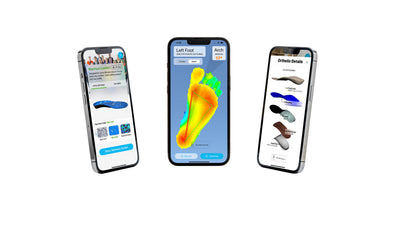
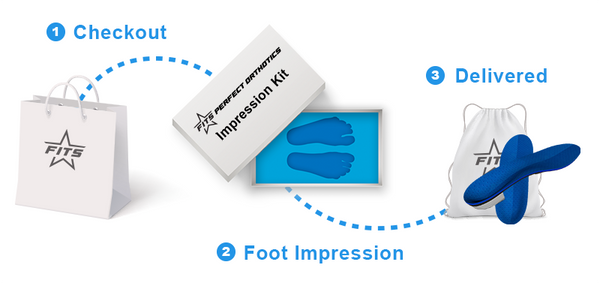
For runners, the Running orthotic is designed for sneakers and running shoes, with forward-moving support and overpronation control. If you train in the gym too, the Fitness orthotic suits workout shoes. Every style is $249 with free shipping. To order, scan your feet with your iPhone in the Fits Perfect app, a fast, simple, and accurate 3D scan, or use the mail-in foam impression box if you don't have an iPhone.
Break your orthotics in with everyday wear before you run in them. For more, read how custom orthotics help runners.
Shin splints or stress fracture?
Shin splints and stress fractures can feel similar at first, but they're different. Shin splints usually cause pain spread along a longer section of the bone. A stress fracture tends to cause pain in one specific spot that's very tender to touch, may hurt even at rest or at night, and gets worse with activity rather than easing. If you suspect a stress fracture, stop running and see a doctor.
When to see a doctor
See a doctor or sports physical therapist if your shin pain is severe, focused in one spot, present at rest, accompanied by significant swelling, or not improving after two to three weeks of rest. Also seek prompt care if your lower leg feels tight, numb, or tingly during exercise.
Frequently asked questions
Do orthotics help shin splints?
They can, especially if flat feet or overpronation are adding strain to the muscles along your shin.
How long do shin splints take to heal?
Mild cases often settle in a few weeks with rest and training changes. More stubborn cases can take longer.
Can I keep running with shin splints?
It's best to reduce or pause running until the pain settles, then return gradually.
What's the best surface for running with shin splints?
Softer, flat surfaces like tracks, trails, or treadmills are usually easier on the shins than concrete.


