



If you have pain under the ball of your foot, right beneath the big toe joint, you may be dealing with sesamoiditis. It's less well known than conditions like plantar fasciitis, but it's a common cause of forefoot pain, especially in runners, dancers, and anyone who spends a lot of time pushing off from the balls of their feet.
This guide explains what the sesamoids are, the symptoms and causes of sesamoiditis, how it's treated, and how orthotics help take pressure off the area.
What are the sesamoids?
Sesamoids are small bones that sit inside tendons rather than connecting to other bones. Your kneecap is the largest sesamoid in the body. Under the big toe joint, there are two tiny sesamoid bones, each about the size of a pea, embedded in the tendon that bends your big toe.
These little bones act like pulleys, helping the tendon move smoothly and giving the big toe leverage when you push off. They also help bear weight on the ball of the foot. Because they take a lot of force with every step, they can become irritated.
What is sesamoiditis?
Sesamoiditis is irritation and inflammation of the sesamoid bones and the tendons around them. It's usually an overuse problem, developing gradually from repeated pressure on the ball of the foot.
Symptoms of sesamoiditis
- Pain under the big toe joint, on the ball of the foot.
- Pain that builds gradually rather than starting suddenly.
- Pain when bending or straightening the big toe.
- Pain that's worse when pushing off, walking uphill, or rising onto your toes.
- Mild swelling or bruising in some cases.
- Tenderness when you press directly under the big toe joint.
Sudden, sharp pain after a specific incident is more likely to be a fracture of a sesamoid bone, which needs medical assessment.
What causes sesamoiditis?
- Activities that load the ball of the foot, such as running, dancing, basketball, and tennis.
- High heels, which shift weight forward onto the forefoot.
- High arches, which concentrate pressure on the ball of the foot.
- Thin-soled or worn-out shoes with little forefoot cushioning.
- A sudden increase in activity.
- A bony or prominent big toe joint, or a thinning fat pad under the forefoot.
Treatment for sesamoiditis
Most cases improve with conservative care focused on reducing pressure on the sesamoids so they can settle:
- Rest from aggravating activities, especially running, jumping, and dance.
- Ice the area for 10 to 15 minutes a few times a day.
- Switch to supportive, cushioned shoes with a stiffer sole that limits bending at the big toe.
- Avoid high heels and thin, flexible flats while it heals.
- Offload the area with orthotics that spread pressure away from the big toe joint.
- Taping to limit big toe movement may help; a podiatrist or physical therapist can show you how.
- Anti-inflammatory medication may help with pain; check with a pharmacist or doctor first.
A doctor may recommend more support, such as a walking boot, if pain is severe or slow to improve.
How orthotics help sesamoiditis
The key to easing sesamoiditis is reducing the pressure on those two small bones. Orthotics help by:
- Redistributing weight across the whole foot rather than concentrating it under the big toe joint.
- Supporting the arch, which helps shift load away from the forefoot.
- Adding cushioning under the ball of the foot.
- Addressing foot shape, such as high arches, that increases forefoot pressure.
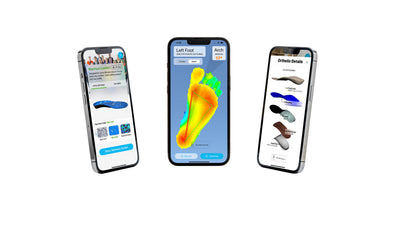
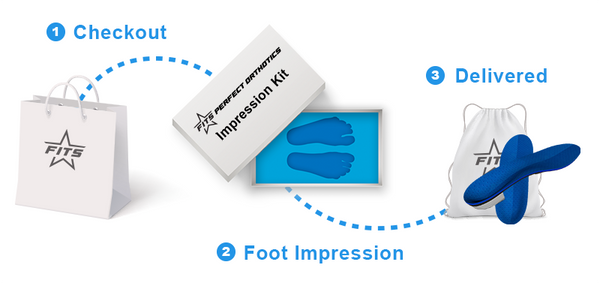
Because custom orthotics are made from the shape of your own feet, they support your arch where you need it, helping move pressure away from the painful spot. For everyday shoes, Maximum Comfort is designed for all-day wear, and the Running orthotic suits runners. Every style is $249 with free shipping. To order, scan your feet with your iPhone in the Fits Perfect app, a fast, simple, and accurate 3D scan, or use the mail-in foam impression box if you don't have an iPhone.
Returning to activity
Once pain has settled with everyday walking, return to sport or exercise gradually. Start with low-impact activity, then short, easy sessions of your usual sport, building up over several weeks. Keep wearing supportive shoes and orthotics, and back off if pain returns.
Sesamoiditis vs. other forefoot pain
Pain in the ball of the foot has several possible causes, so it's worth knowing the differences:
- Sesamoiditis is focused directly under the big toe joint.
- Metatarsalgia is more general pain across the ball of the foot. See do you have metatarsalgia?
- Morton's neuroma usually causes burning or tingling between the third and fourth toes. See exercises for Morton's neuroma.
- Turf toe is a sprain of the big toe joint, usually after a sudden injury.
When to see a podiatrist
See a podiatrist if pain under your big toe joint lasts more than a week or two despite rest, started suddenly after an injury, comes with significant swelling or bruising, or makes walking difficult. An X-ray or other imaging may be needed to rule out a fracture.
Frequently asked questions
What does sesamoiditis feel like?
Usually a dull, building ache directly under the big toe joint, worse when pushing off or rising onto your toes.
How long does sesamoiditis take to heal?
Many cases improve over a few weeks with rest and offloading, but some take longer.
Do orthotics help sesamoiditis?
Yes. They redistribute pressure away from the big toe joint and support the arch.
Can I run with sesamoiditis?
It's best to rest from running until pain settles, then return gradually.


