



If your heel hurts most with your first steps in the morning, or after you stand up from sitting, plantar fasciitis is a likely cause. It's one of the most common reasons people develop heel pain, and it can make walking, standing at work, and exercising genuinely uncomfortable. Custom orthotics are one of the most widely used ways to manage it, because they reduce the strain that keeps the tissue irritated.
This guide explains what plantar fasciitis is, how custom orthotics help, which features matter most, and what else you can do alongside them to ease the pain.
What is plantar fasciitis?
The plantar fascia is a thick band of tissue that runs along the bottom of your foot, from your heel bone to the base of your toes. It supports your arch and acts a bit like a shock-absorbing spring every time your foot hits the ground. When it's overloaded, the tissue where it attaches to the heel becomes irritated and painful. That's plantar fasciitis.
Typical symptoms include:
- Sharp or stabbing pain under the heel, often toward the inside.
- Pain with the first steps in the morning that eases as you move around.
- Pain after sitting and then standing up again.
- Pain after long periods of standing, or after exercise rather than during it.
- Tenderness when you press on the bottom of the heel.
What causes plantar fasciitis?
Plantar fasciitis usually develops from repeated strain rather than a single injury. Common contributing factors include:
- Long hours on your feet, especially on hard floors.
- A sudden increase in activity, such as more running or walking than usual.
- Foot shape, including flat feet, high arches, or feet that roll inward (overpronation).
- Tight calf muscles, which increase tension on the plantar fascia.
- Unsupportive or worn-out shoes.
- Excess body weight, which adds load with every step.
Many of these factors come down to how much load the plantar fascia takes with each step, which is exactly what orthotics are designed to change.
How custom orthotics help plantar fasciitis
Custom orthotics help by changing how your foot handles load:
- Arch support: When your arch is supported, the plantar fascia doesn't have to stretch as much with each step, which reduces tension where it attaches to the heel.
- Heel cushioning and a supportive heel cup: These help absorb impact and keep the fatty pad under your heel centered where it does the most good.
- Pressure distribution: Spreading your weight across the whole foot takes load off the painful area.
- Motion control: Limiting excessive inward rolling reduces the repeated stretching that aggravates the tissue.
Because custom orthotics are built from the shape of your own feet, the support lines up with your arch rather than with an average foot. That matters for plantar fasciitis, where support in the wrong spot can feel uncomfortable or do little to reduce strain.
What to look for in orthotics for plantar fasciitis
- Firm, contoured arch support that matches your arch height.
- A deep, supportive heel cup to cradle and cushion the heel.
- Cushioning in the heel area for impact absorption.
- The right style for your shoes. An orthotic that fits your everyday shoes will get worn the most, which is when it helps.
- Durable materials that keep their shape with daily use.
Custom orthotics vs. store-bought insoles
Store-bought insoles can add cushioning, and some people with mild symptoms find them helpful. The limitation is fit: they're made for an average foot, so the arch may sit too far forward, too far back, or at the wrong height for you. Soft foams also tend to flatten within months, which means the support fades just when you need it most.
Custom orthotics are made from a model of your own feet, so the arch support and heel cup fit you, and they're built from firmer materials designed to last. For a full comparison, see custom-made orthotics vs. over-the-counter insoles.
Which Fits Perfect orthotic is best for plantar fasciitis?
The best choice depends on the shoes you wear most:
- Maximum Comfort for casual shoes and sneaker-style work shoes, built for all-day standing and walking.
- Heavy Duty Comfort for work boots and steel-toes.
- Running if your heel pain flares with running.
- Dress Shoe for slimmer work and dress shoes.
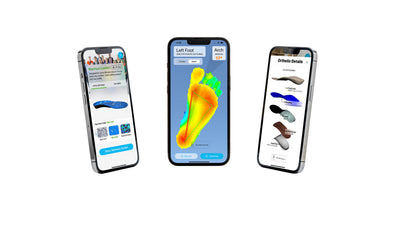
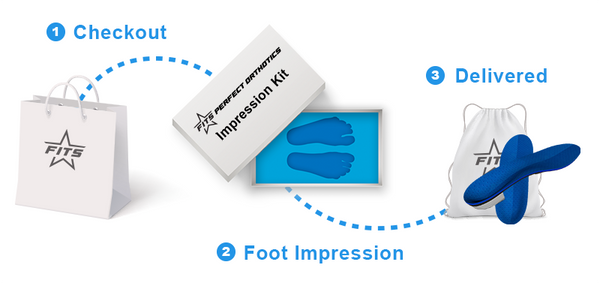
Every style is $249 with free shipping. To order, scan your feet with your iPhone in the Fits Perfect app, a fast, simple, and accurate 3D foot scan. If you don't have an iPhone, a mail-in foam foot impression box is available. Scan intake and manufacturing take 1-2 business days, followed by 5-7 days of shipping. You may also be eligible for reimbursement through an HSA or FSA, so check with your plan provider.
Other treatments that work alongside orthotics
Orthotics work best as part of a broader plan:
- Calf and plantar fascia stretches, especially before getting out of bed in the morning.
- Rolling the arch over a tennis ball or frozen water bottle for a few minutes.
- Ice on the heel for 10 to 15 minutes after long days.
- Supportive shoes and avoiding long periods barefoot on hard floors.
- Easing back on high-impact activity until the pain settles.
For more on everyday heel pain, read do orthotic insoles help with heel pain? and natural remedies for heel spur pain.
How long until orthotics help?
Many people notice a difference within a few weeks of wearing their orthotics consistently. Plantar fasciitis can take longer to settle fully, sometimes several months, so the key is to keep wearing them in the shoes you use most and to pair them with stretching. Break them in gradually over the first one to two weeks so your feet can adjust.
When to see a podiatrist
See a podiatrist or doctor if your heel pain is severe, started after an injury, comes with swelling, numbness, or tingling, or hasn't improved after a few weeks of home care. Heel pain has other possible causes, such as stress fractures or nerve problems, so a proper diagnosis matters if things aren't improving.
Frequently asked questions
Do orthotics really help plantar fasciitis?
Yes, for many people. By supporting the arch and cushioning the heel, they reduce the strain on the plantar fascia that keeps it irritated.
Should I wear orthotics all day with plantar fasciitis?
Once they're broken in, wearing them consistently in the shoes you use most gives the best results.
Are custom orthotics better than insoles for plantar fasciitis?
For ongoing heel pain, usually yes, because the support is shaped to your arch and the materials hold their shape longer.
Can plantar fasciitis go away on its own?
It often improves with time, rest, stretching, and support, but it can linger or return if the strain on the foot isn't reduced.


