



Custom orthotics have no single price. What you pay depends on where you get them and how many separate services are bundled into the bill. Through a clinic, the total usually covers an assessment visit, a casting or scanning appointment, lab fabrication, materials, and sometimes follow-up adjustments. Each of these can add to the final number, and insurance may cover some, all, or none of it depending on your plan.
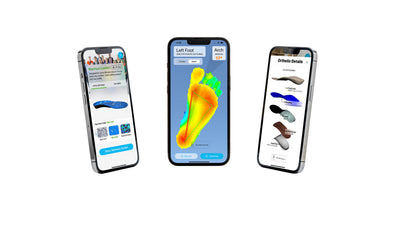
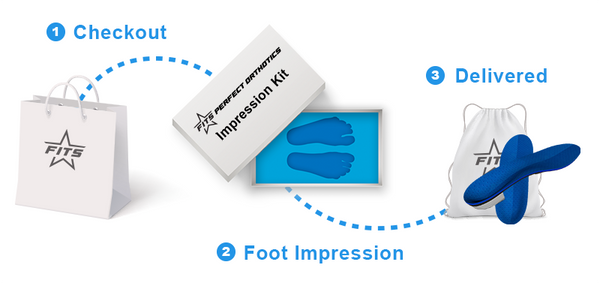
If you order online and capture your foot shape at home, the price is much easier to pin down. At Fits Perfect, every custom orthotic style costs $249 USD. That includes the Maximum Comfort custom orthotics for everyday shoes and the sport, work, dress, and diabetic styles. You scan your feet with your iPhone in the Fits Perfect app, and your orthotics are made from your own foot shape, with no exam or casting appointment to pay for. If you don't have an iPhone, you can use a mail-in foam foot impression box instead. The rest of this guide explains where the money goes on each route so you can compare them fairly.
What goes into the price of custom orthotics
When people compare custom orthotics prices, they often compare the device alone. The device is only part of the cost, though. Here are the pieces that usually make up the total.
The assessment visit
In a clinic, the process normally starts with an appointment with a podiatrist, chiropractor, physical therapist, or pedorthist. They may ask about your symptoms, look at your feet, watch you walk, and check your range of motion. This visit is usually billed separately from the orthotics. If your plan requires a referral or prescription before it will cover orthotics, you may need more than one appointment.
For anyone with pain or a medical condition, this visit has real value. A professional can work out what's causing the problem, and that matters more than any insert.
Casting or scanning your feet
A custom orthotic is only as good as the impression it's built from. Providers capture your foot shape in several ways: plaster casting, a foam impression box, or a digital scan. Some practices include this in the orthotic fee. Others bill it as its own service. Either way, it takes time and materials, and that shows up in the price.
Materials and design
Orthotics are built for different jobs, so materials vary. A slim orthotic for dress shoes uses a different build than one meant for heavy work boots or court sports. Shell material, thickness, length (full or 3/4), and top cover all affect cost. Lightweight, low-profile materials such as carbon fiber tend to cost more to make than basic plastics.
Lab fabrication
Most clinics don't make orthotics in-house. They send your impression and prescription to an orthotic lab, which builds the device. The lab charges the provider, and the provider adds their own markup and handling. That's normal, but it's one reason clinic prices vary so much from office to office.
Follow-up visits and adjustments
Some providers include a fitting appointment and minor adjustments in the price. Others charge for each visit. Ask about this upfront, because a few extra appointments can noticeably raise the real cost.
Custom orthotics with and without insurance
Insurance is the biggest wildcard. Coverage for custom orthotics varies widely between plans. Some cover them when a provider documents medical need. Others exclude them entirely or limit how often they'll pay for a new pair. Even when orthotics are covered, deductibles, copays, and coinsurance can leave you paying a large share yourself.
Using an HSA or FSA
If you have a health savings account (HSA) or flexible spending account (FSA), you may be eligible for reimbursement for custom orthotics. Eligibility depends on your plan, so check with your plan provider before you order and keep your receipt for any reimbursement claim.
Before you book anything, ask your insurer:
- Are custom foot orthotics covered under my plan?
- Do I need a prescription or referral, and from what type of provider?
- Does my deductible apply, and how much of it have I met this year?
- Is there a limit on how often a new pair is covered?
- Are the assessment visit and the orthotics billed and covered separately?
If you're buying custom orthotics without insurance, you pay for every part of the clinic process out of pocket. Ask for a written, itemized quote that covers the exam, casting, device, and follow-ups so you know the full price before you commit. You can then compare that figure against a single flat price like the $249 for Fits Perfect orthotics.
If you have a health savings account or flexible spending account, ask your plan administrator whether custom orthotics count as an eligible expense for you.
Ordering online with an at-home iPhone foot scan
The online route takes out most of the separate charges. You don't need an exam appointment, a casting visit, or travel time. You order online, scan your feet with your iPhone in the Fits Perfect app, a fast, simple, and accurate way to capture a 3D model of your foot shape, and your orthotics are made from that scan. If you don't have an iPhone, a mail-in foam foot impression box is available as an alternative.
What $249 gets you at Fits Perfect
For $249 USD, you get custom orthotics made from your own foot shape and designed for the type of shoe you wear. That second part matters more than people expect. An orthotic that's great in a sneaker may not fit in a dress shoe or a steel-toe boot. The options in the custom orthotics collection include:
- Maximum Comfort: for casual shoes and sneaker-style work shoes, built for all-day standing and walking.
- Heavy Duty Comfort: for heavy boots and steel-toes.
- Dress Shoe: a thin, 3/4-length design that fits into tighter dress and fashion shoes.
- Running, Fitness, Court, and Golf: each shaped around the movements of that activity.
- UltraThin Carbon Sport: a very low-profile option for cleats, skates, cycling shoes, and ski boots.
- Comfort Diabetic: designed to reduce friction for everyday wear.
Shipping is free. After your scan, intake and manufacturing take 1-2 business days, then shipping takes 5-7 days. All of these are the same price, so you can choose based on your shoes and activities rather than budget. If you're unsure which build suits you, our guide to the different types of custom orthotics covers the differences in more detail.
Clinic route vs. ordering online at a glance
| Cost factor | Clinic route | Online (Fits Perfect) |
|---|---|---|
| Assessment visit | Usually billed separately | No visit required |
| Foot impression | Cast or scan in office, sometimes billed separately | 3D scan with your iPhone in the Fits Perfect app, or a mail-in foam impression box if you don't have an iPhone |
| Device and lab fees | Varies by provider and lab | Included in the $249 price |
| Follow-up appointments | Depends on provider policy | No appointments to schedule |
| Insurance | May be partly or fully covered, depending on plan | Check with your plan about reimbursement |
| Professional diagnosis | Yes | No; see a podiatrist if you have pain or a medical condition |
That last row is the honest trade-off. Ordering online gets you a custom-made device without the appointments, but it doesn't replace a medical evaluation. If you have significant pain, a new injury, numbness, or a condition such as diabetes, see a podiatrist or doctor first. You can still use their advice when choosing your orthotics.
Are custom orthotics worth it?
Whether custom orthotics are worth the money depends on your feet, your routine, and what you're comparing them to.
When they tend to make sense
- You spend long hours on your feet. If you stand or walk most of the day, support that's shaped to your foot can make a real difference to how you feel by evening.
- Generic insoles haven't worked. Off-the-shelf inserts are made for an average foot. If yours doesn't match that average, a custom device built from your own foot shape may suit you better. We cover this in detail in custom-made orthotics vs. over-the-counter insoles.
- You have a recognizable foot type, such as flat feet or high arches, and your feet feel tired or achy after activity.
- You play a sport or train regularly and want support built for the way you move.
Cost per wear is a useful way to think about it. A custom orthotic is built from firmer, more durable materials than a soft foam insert and is meant to be worn day after day. Spread over months of daily use, the cost looks very different from the number at checkout. How long a pair lasts depends on how often you wear it, your activity level, and the build, so treat any lifespan estimate as a rough guide.
When to slow down first
Orthotics are a support tool, not a cure. They can improve comfort and how your feet share load, but they won't fix every foot problem. If your pain is sharp, getting worse, keeps you up at night, or came on after an injury, have it looked at by a podiatrist before buying anything. If you're not sure whether you need orthotics at all, read how to tell if you need orthotics for common signs to watch for.
How to get the most value for your money
- Match the orthotic to the shoe you wear most. Buy for the shoes you're in for the most hours. For many people that's casual shoes or sneaker-style work shoes, which is what Maximum Comfort is designed for.
- Make sure your shoes have room. Orthotics work best in shoes with a removable insole and enough depth. Tight shoes are the reason slimmer options like the Dress Shoe and UltraThin Carbon Sport styles exist.
- Take a careful scan. Whether you scan your feet with your iPhone in the Fits Perfect app or use the mail-in foam impression box, capturing your foot shape is the foundation of the whole device. Follow the instructions closely and take your time.
- Get the full price in writing if you go the clinic route. An itemized quote is the only fair way to compare options.
- Keep up the basics. Supportive footwear, regular calf and foot stretches, and rest when your feet are sore all work alongside orthotics.
- Look after them. Let them air out between wears, keep them away from high heat, and replace them once the support or top cover wears down.
The bottom line
The cost of custom orthotics depends on the route you take. Through a clinic you pay for expertise, appointments, casting, and lab work, and insurance may or may not offset that. Online, you pay one flat price for a device made from your own foot shape, captured with an iPhone scan (or a mail-in foam box if you don't have an iPhone), without the appointments. At Fits Perfect, that price is $249 for any style. If you're on your feet all day and your feet are paying for it, the Maximum Comfort custom orthotics are a good place to start.
Frequently asked questions
How much do custom orthotics cost without insurance?
Without insurance, clinic prices vary widely because exams, casting, the device, and follow-ups may each be billed separately, so ask for an itemized quote. Ordering online from Fits Perfect costs a flat $249 USD for any custom orthotic style.
Does insurance cover custom orthotics?
Sometimes. Coverage depends on your plan. Some plans cover custom orthotics with a prescription and documented medical need, while others exclude them. Call your insurer and ask about prescriptions, deductibles, and replacement limits before you buy.
Can I use my HSA or FSA for custom orthotics?
You may be eligible for reimbursement through your HSA or FSA. Check with your plan provider to confirm.
How long does it take to get Fits Perfect orthotics?
Scan intake and manufacturing take 1-2 business days, followed by 5-7 days of free shipping.
Are custom orthotics worth the money?
They're often worth it if you spend long hours on your feet, generic insoles haven't helped, or you have a foot type like flat feet or high arches. If you have pain or a medical condition, see a podiatrist first so you know what you're dealing with.
Why are custom orthotics more expensive than store-bought insoles?
Custom orthotics are made from a scan or impression of your own feet, built from more durable materials, and designed for a specific shoe type. Store-bought insoles are mass-produced for an average foot shape.
Can I get custom orthotics without seeing a doctor?
Yes. With Fits Perfect, you scan your feet with your iPhone in the Fits Perfect app and order custom orthotics online without an office visit. If you don't have an iPhone, a mail-in foam impression box is available. For pain, an injury, or conditions like diabetes, it's still wise to see a podiatrist or doctor for a proper evaluation.


